

What could happen to car-tax reform in after the Virginia governor's election?
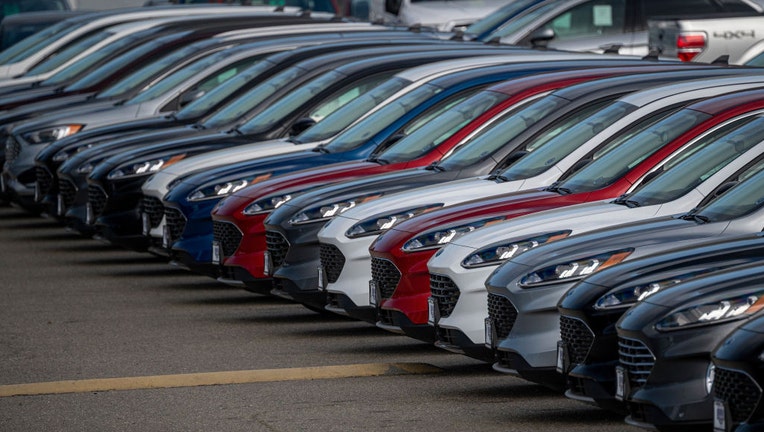
(David Paul Morris/Bloomberg via Getty Images)
WASHINGTON, D.C. - If you own a car in Virginia, you may soon be watching whether the cost of keeping it drops — or whether local budgets tighten. With the 2025 gubernatorial election looming, the future of vehicle-related taxes is once again in focus, featuring major promises from both sides of the aisle.
Car sales tax
Current taxes at a glance
Virginia charges a 4.15% motor-vehicle sales and use tax (SUT) on vehicle purchases, plus a local personal-property tax on owned vehicles. The yearly car tax, billed by local governments, is widely unpopular among Virginia drivers.
According to Bob Lewis of the Virginia Mercury, "Our car tax is a much-reviled but long-lived creature. Both gubernatorial candidates … have pledged to tame — if not slay — this dragon if elected governor."
History of Virginia’s Car and Vehicle Tax
The roots of what many Virginians call the "car tax" stretch back centuries, beginning in 1782, according to the Library of Virginia. What today is known as the vehicle personal property tax in the Commonwealth of Virginia has its origins in the late 18th century.
Local governments taxed a wide range of tangible items—livestock, household goods, carriages and more—as a way to fund civic operations.
Over time, as the economy modernized and automobiles became common, the tax evolved. By the 20th century, the tangible personal property tax was firmly established in state law. Now, it applies to vehicles, boats, mobile homes and other personal assets.
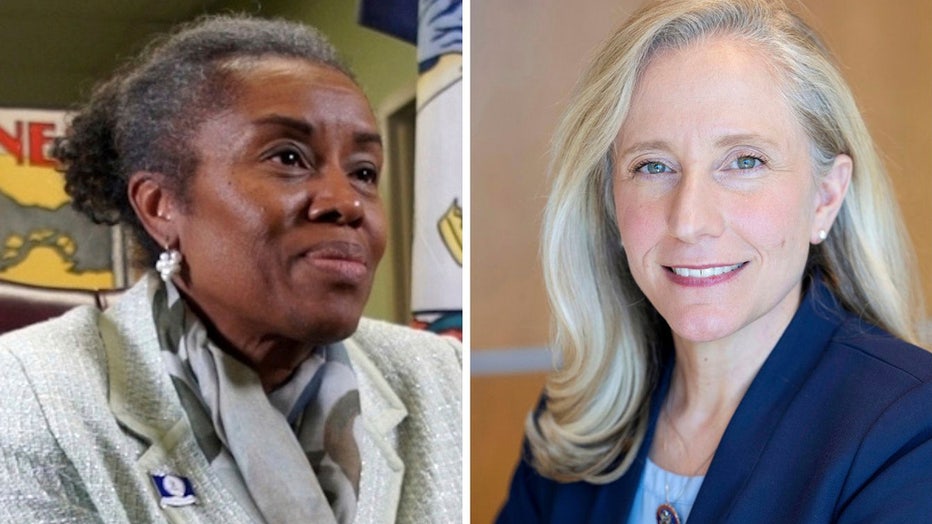
This combo image shows Virginia Republican gubernatorial candidate Winsome Earle-Sears, left, and Democratic gubernatorial candidate Abigail Spanberger, right. (AP Photo)
Election-year promises
Both Abigail Spanberger (D) and Winsome Earle-Sears (R) have pledged to eliminate or reduce the car tax if elected governor. Earle-Sears has called for an "Axe the Tax" plan, while Spanberger supports repeal but says it must be done responsibly, working with localities to replace lost funding.
Challenges ahead
Local governments depend heavily on vehicle-tax revenue for schools, roads and public safety. Analysts warn that eliminating it could leave a multi-billion-dollar gap unless the state finds alternative funding sources.
What's next:
Lawmakers are expected to revisit the issue in Virginia's 2026 General Assembly session. Any repeal would require legislative approval and new revenue measures to offset local losses.
For now, Virginia drivers should expect to keep paying their annual car tax — but the next governor could be in the driver's seat to determine how much longer the taxes ride shotgun.
Live 2025 Virginia election results coverage
FOX LOCAL is your one place for continuous Virginia election coverage all night on November 4, starting the moment the polls close at 7:00p.m. FOX LOCAL will be LIVE bringing you the latest on Virginia governor, lieutenant governor, attorney general, House of Delegates and more.
Here’s how to get FOX LOCAL on your smart TV and mobile phone.
FOX 5 DC will be bringing you live election results starting at 7:00 p.m. on Tuesday, November 4. Click here for live results on election night.
The Source: This story draws on data from the Virginia Department of Motor Vehicles (DMV), campaign websites of Spanberger and Earle-Sears, the Library of Virginia, and campaign reporting by Axios, with additional analysis from Virginia Mercury.