

Ready for fall? When to expect cooler temperatures in DC region

WASHINGTON, D.C. - If you are ready to leave the sweltering heat and sticky summer humidity behind, relief is finally on the horizon. It is time to trade the heavy air conditioning for the crisp, refreshing breeze of autumn.
The Old Farmer's Almanac has released its official fall 2026 weather forecast, giving us the inside scoop on when the sweaters can officially come out.
Cool and dry
What we know:
If you love the brisk air of autumn, you are in luck. While much of the nation's interior is expected to see warmer-than-average temperatures, the Washington, D.C., area is shaping up to be quite the opposite.
According to The Old Farmer's Almanac, September and October will be cooler and drier than average. You can expect temperatures to hover about 1 degree below normal, making for a swift and noticeable transition out of summer.
When it comes to precipitation, the region is forecasted to receive roughly 1 inch less rainfall than usual over the next two months.
Featured
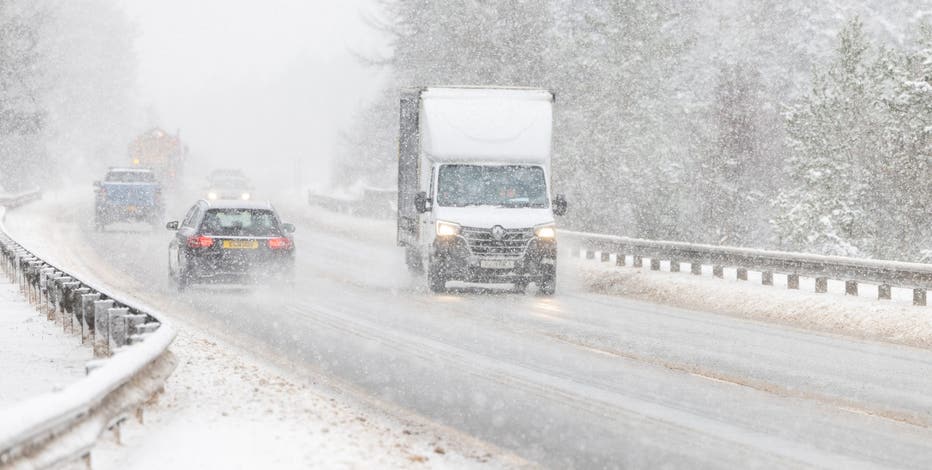
Farmers Almanac winter forecast: What a strong El Niño means for your region
The Farmers Almanac’s winter forecast predicts a strong El Niño influence.
How to prepare
What you can do:
With a cool and dry forecast ahead, here is how to make the most of fall 2026:
Layer up early: With below-average temperatures expected, the early-morning commute will be getting chilly faster than usual. Don't wait until late October to pull your favorite jackets, scarves, and sweaters out of storage.
Plan outdoor festivals and hikes: Less rain means fewer canceled plans! This is the perfect forecast for apple picking, visiting pumpkin patches, or tackling scenic hiking trails without worrying about muddy conditions.
Watch the leaves: Cooler, drier weather can sometimes cause leaves to change color a bit earlier than usual, but the lack of heavy rain and wind means those leaves might just stay on the trees a little longer.
The Source: Information from this article was sourced from The Old Farmer's Almanac.