

Preparing for a power outage during extreme weather
WASHINGTON - The Washington, D.C., region is bracing for possible power outages as a dangerous line of storms continues to push through central Maryland, northern Virginia and the District on Monday. The storm system triggered numerous Tornado Watches, Tornado Warnings and Severe Thunderstorm Warnings.
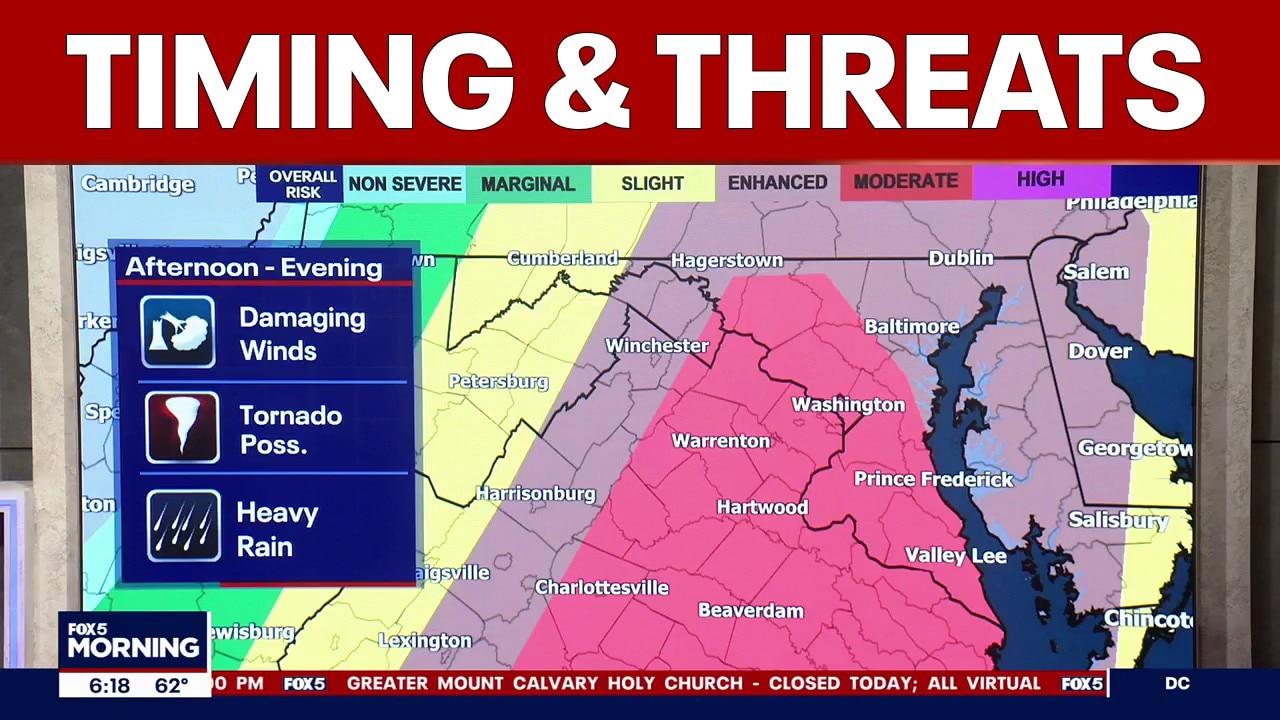
Severe storms Monday: Timing and threats
Severe thunderstorms are expected to sweep across the Washington region Monday, bringing damaging winds, heavy downpours and the possibility of an isolated tornado as they move through the area.
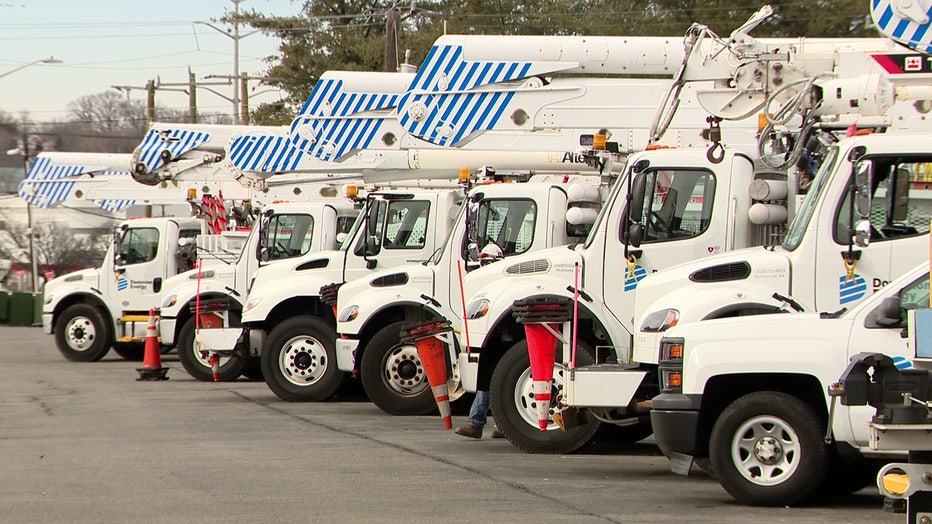
A power outage can disrupt communications, water service and transportation, force the closure of grocery stores, gas stations, ATMs and banks, cause food spoilage and potential water contamination, and prevent the use of certain medical devices.
Preparing for a power outage during extreme weather
Here are some Power Outage Tips from Ready.gov
- Keep freezers and refrigerators closed.
- Use a generator, but ONLY outdoors and away from windows.
- Do not use a gas stove or oven to heat your home. It increases your risk of carbon monoxide poisoning. Using an oven or stovetop can also increase the risk of fires, burns and could damage the appliance.
- Disconnect appliances and electronics to avoid damage from electrical surges.
- Have alternate plans for refrigerating medicines or using power-dependent medical devices.
- Check with local officials about heating and cooling locations open near you.
How to Protect Yourself During A Power Outage
- Go to a community location with power if heat or cold is extreme.
Preparing for a Power Outage
- Take an inventory of the items you need that rely on electricity. Plan for batteries and other alternative power sources to meet your needs when the power goes out, such as a portable charger or power bank. Have flashlights for every household member. Determine whether your home phone will work in a power outage and how long battery backup will last.
Know Your Medical Needs
- Talk to your medical provider about a power outage plan for medical devices powered by electricity and refrigerated medicines. Find out how long medication can be stored at higher temperatures and get specific guidance for any medications that are critical for life.
Preparing for a power outage during extreme weather
Using Appliances During Power Outages
- Install carbon monoxide detectors with battery backup in central locations on every level of your home. Avoid carbon monoxide poisoning. Generators, camp stoves or charcoal grills should always be used outdoors and at least 20 feet away from windows. Never use a gas stovetop or oven to heat your home. Turn off or disconnect appliances, equipment, or electronics. Power may return with momentary surges or spikes that can cause damage.
Food Storage
- Have enough nonperishable food and water. Keep freezers and refrigerators closed. The refrigerator will keep food cold for about four hours. A full freezer will keep the temperature for about 48 hours. Use coolers with ice if necessary. Monitor temperatures with a thermometer. Throw out food if the temperature is 40 degrees or higher.
Generator Safety
Generators can be helpful when the power goes out. It is important to know how use them safely to prevent carbon monoxide (CO) poisoning and other hazards.
- Generators and fuel should always be used outdoors and at least 20 feet away from windows, doors and attached garages.
- Install working carbon monoxide detectors on every level of your home. Carbon monoxide is a colorless, odorless gas that can kill you, your family and pets.
- Keep the generator dry and protected from rain or flooding. Touching a wet generator or devices connected to one can cause electrical shock.
- Always connect the generator to appliances with heavy-duty extension cords.
- Let the generator cool before refueling. Fuel spilled on hot engine parts can ignite.
Preparing for a power outage during extreme weather
Returning After A Power Outage
- When in doubt, throw it out! Throw away any food that has been exposed to temperatures 40 degrees or higher for two hours or more, or that has an unusual odor, color or texture.
- If the power is out for more than a day, discard any medication that should be refrigerated, unless the drug’s label says otherwise. Consult your doctor or pharmacist immediately for a new supply.
- Follow manufacturer’s instructions carefully.
More information can be found at Ready.gov
The Source: Information in this article comes from the FOX 5 Weather Team, the National Weather Service and Ready.gov.