

Correspondent's Dinner shooting: Former Secret Service agent addresses security questions
Analyzing security measures after Correspondents' Dinner shooting
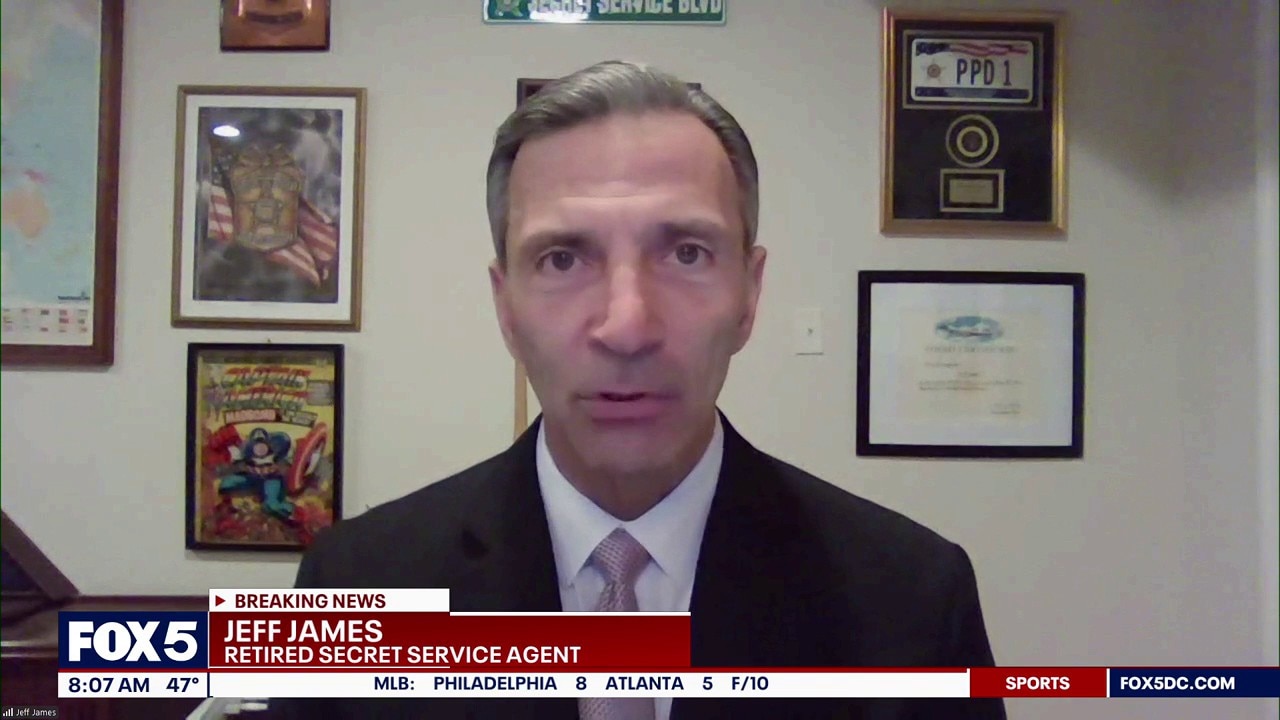
Retired secret service agent Jeff James joins Fox 5 LIVE.
WASHINGTON, D.C. - The effectiveness of the Secret Service's protocols has been called into question once more after another threat against the President of the United States emerged this weekend.
What we know:
Retired U.S. Secret Service Agent Jeff James is breaking down how the agency’s multi-layered security apparatus functioned during the tense standoff at the White House Correspondent's Dinner that forced President Donald Trump and First Lady Melania Trump to evacuate Saturday night.
Despite past criticisms, James emphasizes that "everything worked exactly how it should" to protect the president and apprehend the gunman.
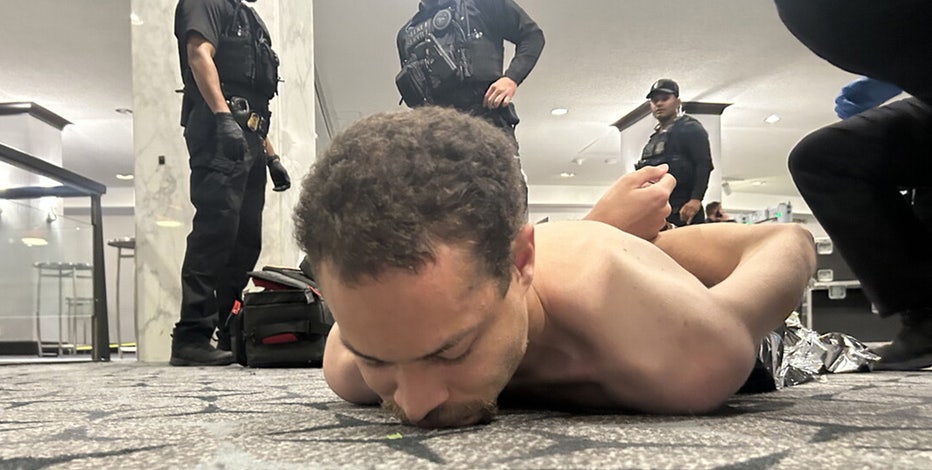
Live updates: Cole Allen, accused WHCA gunman, had manifesto targeting Trump, top officials
We’re learning more about Cole Allen, the man accused of opening fire outside the White House Correspondents’ Dinner where President Trump and the first lady were in attendance.
Logistical ‘monster’
What they're saying:
The sheer volume of attendees at the crowded Washington Hotel makes the annual event a logistical nightmare, presenting unique challenges compared to a controlled, intimate venue.
"That dinner is a little bit of a monster," he explained. "You have 3,000 people crammed into that ballroom. It’s a lot of people crammed into a place that probably could use 500 less."
While the format remains largely the same every year, measures are strictly reevaluated after each event to adapt to evolving threats.
Security response
Timeline:
When the threat emerged, the agency's layered defense strategy was immediately put to the test. James detailed the swift sequence of events that neutralized the danger:
- The suspect was intercepted by the "middle perimeter" of security, effectively neutralizing the threat while the individual was still a floor removed from the president.
- Word of a potential breach was relayed instantaneously to the agents stationed around the resident, first lady, and vice president.
- Agents immediately collapsed on the protectees, forming a tight physical barrier.
- The Counter-Assault Team, heavily armed agents in black, instantly deployed to establish a tactical perimeter, prepared to fight their way out if it was a coordinated, multi-person attack.
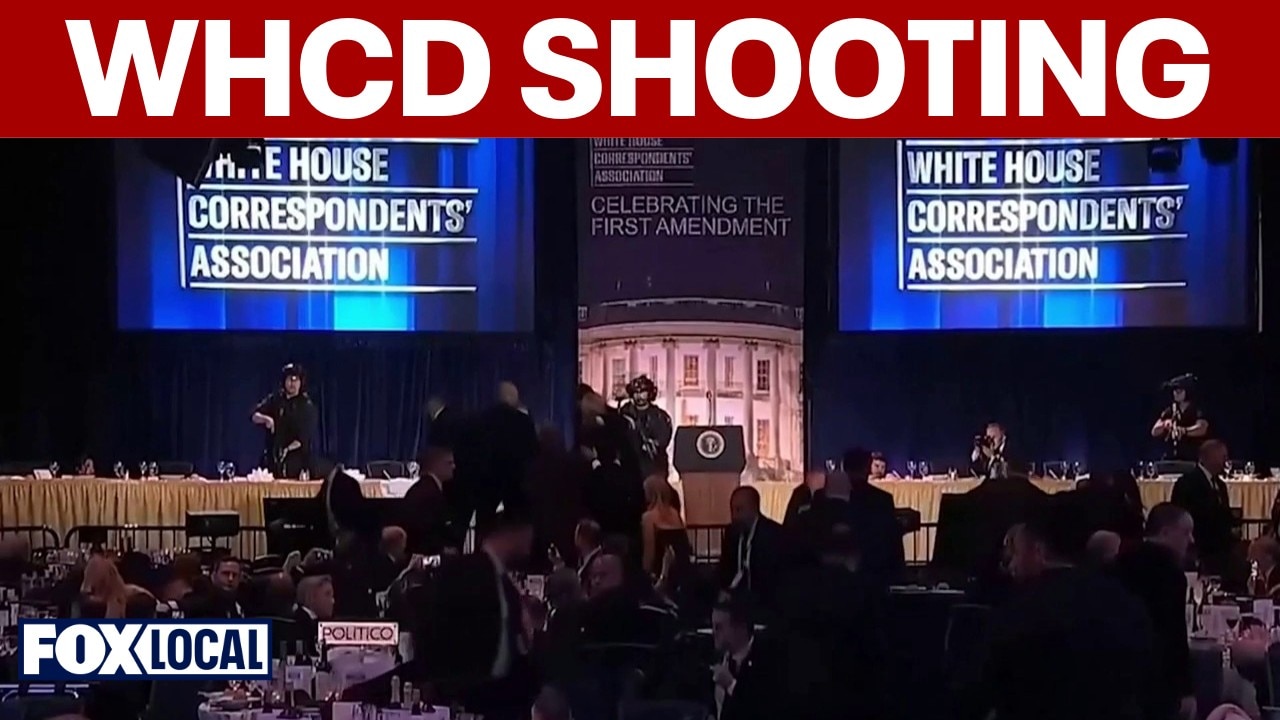
White House Correspondent's Dinner local response; security review | TOP STORIES
A shooting at the White House Correspondent's Dinner has prompted a security review after President Donald Trump and First Lady Melania Trump were forced to evacuate.
‘Tactical pause’
Dig deeper:
One of the main criticisms circulating in the aftermath of the shooting was an apparent eight-second delay before the president was evacuated from the ballroom. James says that this brief hesitation is a calculated and life-saving protocol.
"That tactical pause is important because you never know when you might be in a rush to get the president out of there, and you might take him into an environment that’s worse than the environment you’re in," James said.
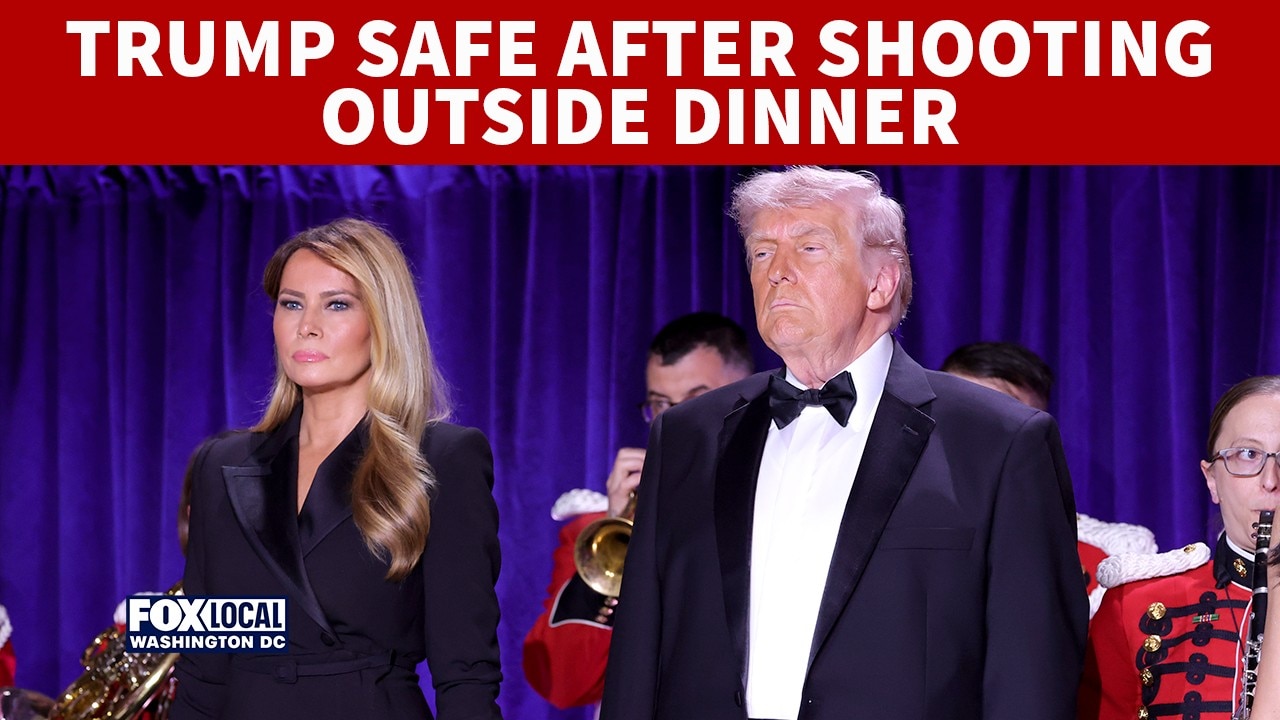
Pres. Trump, first lady safe after shooting outside White House Correspondents' Dinner
President Donald Trump, First Lady Melania Trump, and Vice President JD Vance were among those evacuated from the White House Correspondents’ Association Dinner after reports of shots fired during the event.
As tactical officers entered the ballroom with weapons drawn, scanning the sea of attendees, they were looking for a secondary attack. In Secret Service doctrine, an initial disturbance is often treated as a "tripwire."
During a tactical pause, agents are looking for secondary weapons or explosives; furtive, sudden movements in the crowd; individuals charging the stage; and someone standing up or holding an object high while the rest of the crowd is ducking.
Unprecedented era of threats
The backstory:
The Washington Hilton holds a cemented, dark place in Secret Service history; it was the site of the March 1981 assassination attempt on President Ronald Reagan. However, the current security climate is uniquely volatile.
With recent armed threats occurring in Butler, Pennsylvania, and near Mar-a-Lago, the president has now faced three severe security incidents following the shooting at the White House Correspondent's Dinner this weekend.
"It’s unprecedented," James stated. "I never saw anything like it in my 22-year career, where you had legitimate attempts on the life of the president in such a short amount of time."
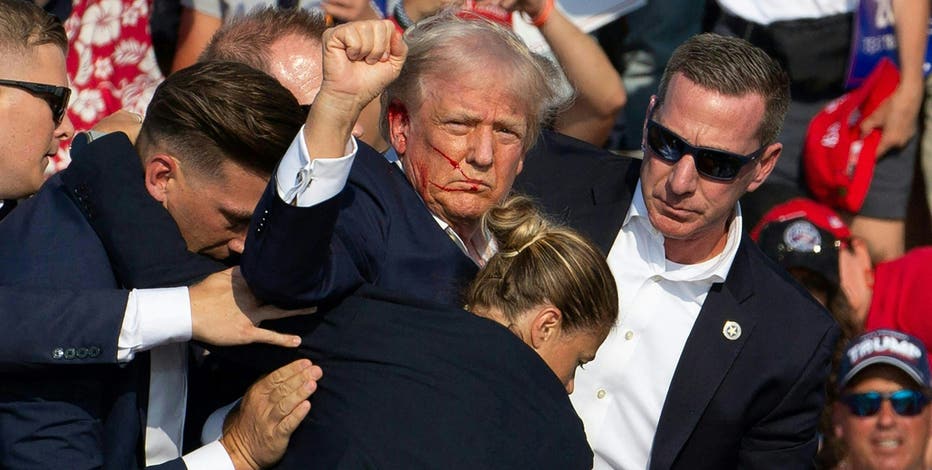
Trump is no stranger to assassination attempts: A look back at past security incidents
Saturday night’s shooting at the White House Correspondents’ Association dinner is one of at least five major security breaches and assassination attempts against President Trump since 2024.
Despite calls for even tighter security, James notes the realistic limitations of securing a public figure. While the Secret Service can effectively utilize magnetometers to screen every patron at a small restaurant, attempting to process every single individual passing through a massive venue like the Hilton or a large stadium is an "unmanageable mission."
Instead, the agency relies heavily on cordoning off the immediate vicinity of the president; a strategy that, during this latest scare, proved highly effective.
The Source: Information from this article was sourced from a FOX 5 interview with retired U.S. Secret Service Agent Jeff James.