

DC Water crews continue work on major sewage spill

DC Water crews continue work on major sewage spill
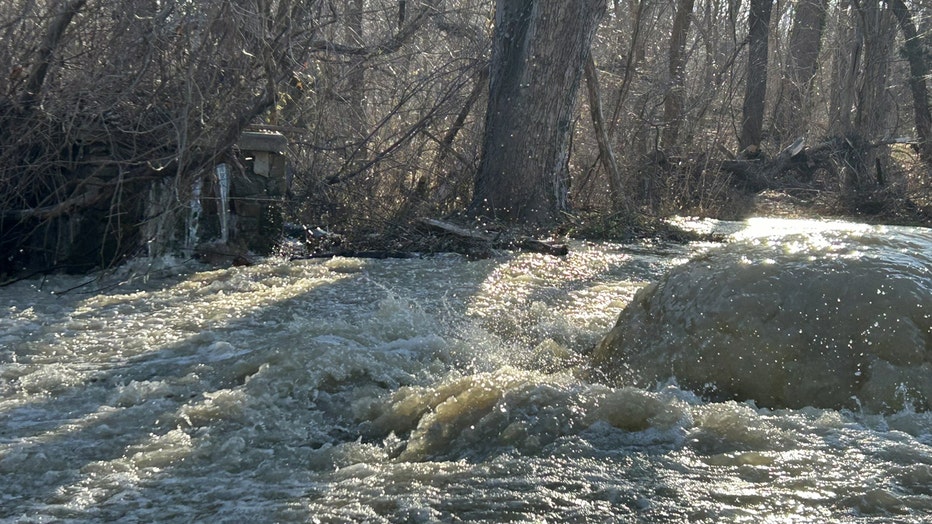
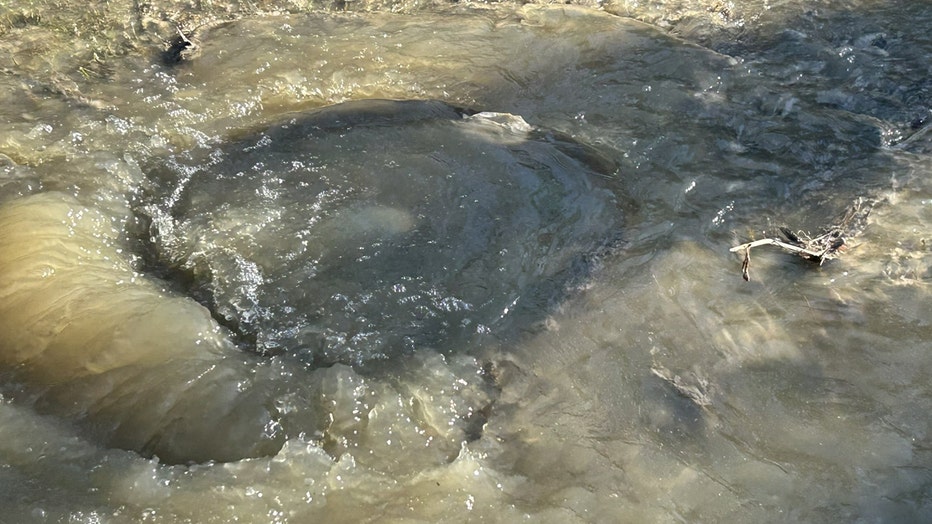
DC Water crews are working to build a bypass system to control a sanitary sewer overflow from the Potomac Interceptor, which has caused a significant spill into the C&O Canal National Historical Park.
CABIN JOHN, Md. - DC Water crews are working to build a bypass system to control a sanitary sewer overflow from the Potomac Interceptor, which has caused a significant spill into the C&O Canal National Historical Park.
A section of the 54‑mile sewer line collapsed late Monday along Clara Barton Parkway in Montgomery County. Officials say the temporary bypass will help contain the overflow and allow crews to inspect the 72‑inch pipe and assess the damage.
READ MORE: DC Water crews work to contain major sewage spill; drivers face heavy delays
DC Water crews continue work on major sewage spill
What we know:
The bypass is expected to divert wastewater upstream of the break, route it through the currently dry C&O Canal as a temporary channel and return the flow to the interceptor downstream.
The Potomac Interceptor carries about 60 million gallons of wastewater each day from areas near Dulles Airport, Loudoun and Fairfax counties, the towns of Vienna and Herndon, and Montgomery County to the Blue Plains Advanced Wastewater Treatment Plant.
Once the overflow is contained, crews will excavate the site to determine the full extent of the damage and establish a repair timeline.
DC Water says the drinking water system is separate from the wastewater system and is not affected.
DC Water crews continue work on major sewage spill (DC Water)
Because the damaged pipe sits close to Clara Barton Parkway, just east of the I‑495 interchange, the right inbound lane remains closed. Drivers should expect delays during the morning rush and consider alternate routes.
The C&O Canal Towpath remains open, and officials say there is no breach onto the trail. DC Water and the National Park Service continue to monitor the area, and residents nearby may notice an odor from the overflow.
The public is urged to avoid contact with water in the area. Untreated sewage can contain harmful pathogens, including E. coli and hepatitis, and exposure can lead to illness or contamination of homes.
What you can do:
Anyone who believes they’ve come into contact with the overflow should
- leave the area
- wash exposed skin with soap and clean water
- disinfect affected items
- avoid consuming exposed food or water
- seek medical attention if symptoms develop
Exposure can be reported to DC Water at 202‑612‑3400.
The Source: Information in this article comes from DC Water and the FOX 5 Traffic Team.