

Why popes are traditionally buried in three coffins — and why Francis broke with tradition
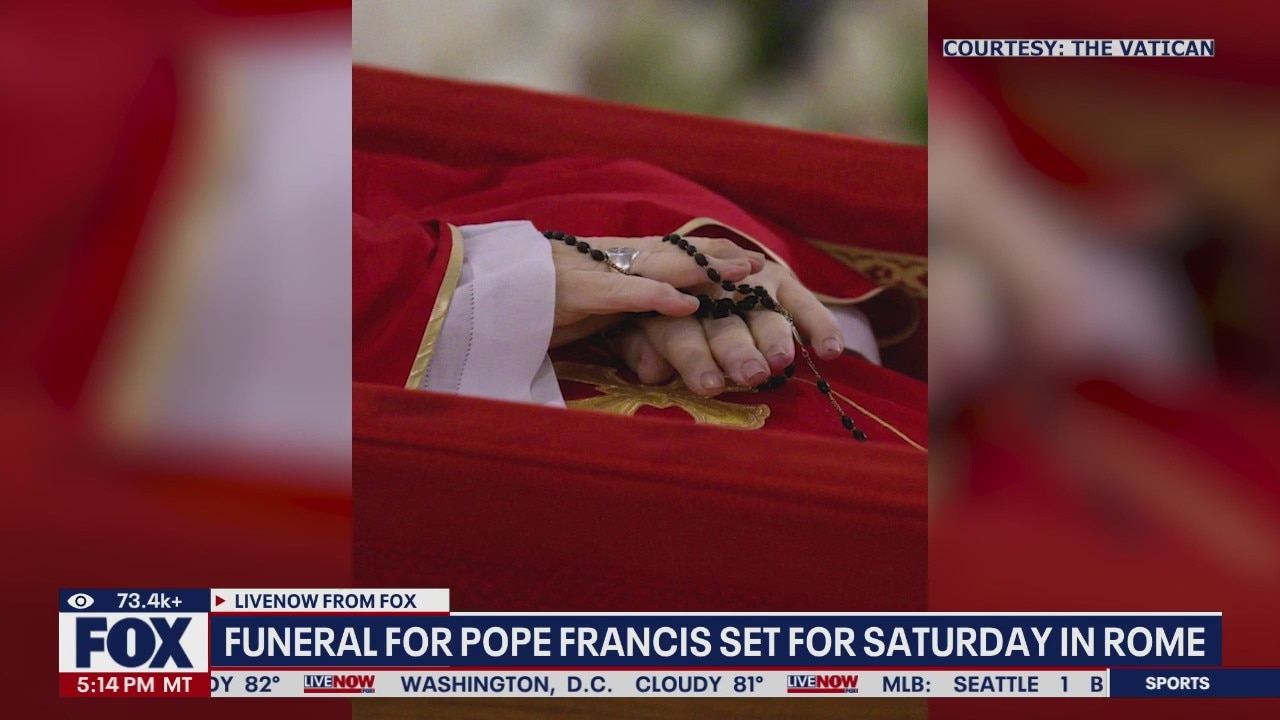
Pope Francis: His life and legacy
Funeral arrangements have been set for Pope Francis, history’s first Latin American pope from Argentina, who died early Monday.
LOS ANGELES - Pope Francis’ decision to simplify his funeral rites — including breaking with the tradition of being buried in three separate coffins — is drawing attention to one of the Vatican’s most iconic burial customs and what his changes say about his legacy.
The three-coffin ritual, steeped in centuries of tradition, symbolized both the sanctity and authority of the papacy. But Francis, in keeping with his long-standing rejection of papal grandeur, approved new rites last year that eliminate the practice entirely.
Why popes were buried in three coffins
The backstory:
For generations, Vatican tradition dictated that popes be buried in a set of three coffins: a cypress coffin symbolizing humility and mortality, a lead coffin to preserve the remains and prevent tampering, and finally an outer oak coffin reflecting dignity and strength.
This triple-layered ritual was part of a broader display of the pope’s dual role as both spiritual shepherd and global figure. In death, the symbolism conveyed a deep reverence — and, for some critics, an unmistakable air of power.
What changed, and why
Dig deeper:
In 2024, Pope Francis approved reforms to the funeral rites in the "Ordo Exsequiarum Romani Pontificis," or "Rite of Burial for Roman Pontiffs," simplifying several elements. Among them: scrapping the triple coffin in favor of a more modest burial using a wooden coffin with a zinc interior.
Monsignor Diego Ravelli, the Vatican’s master of liturgical ceremonies, explained that the reforms were meant "to emphasize even more that the Roman Pontiff’s funeral is that of a shepherd and disciple of Christ and not of a powerful man of this world."
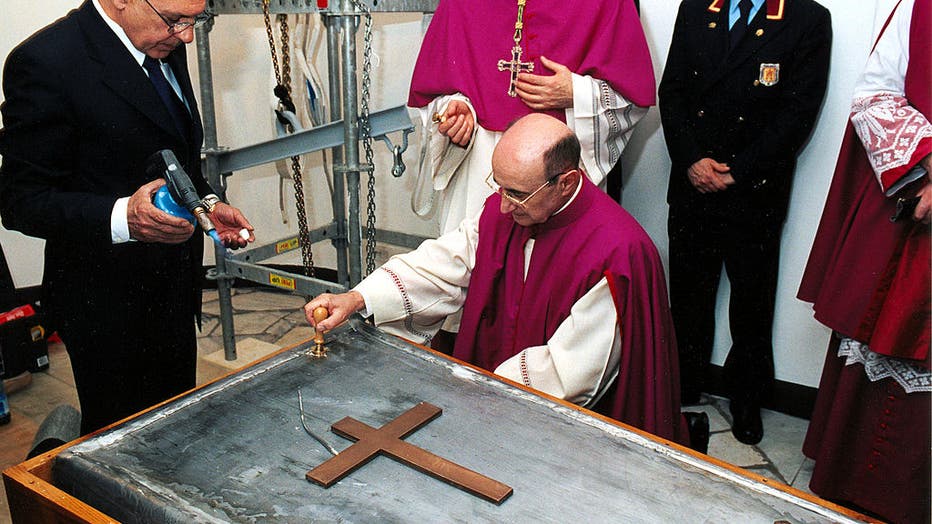
A seal is placed on the zinc coffin containing the body of the late John Paul II is placed inside the third and last coffin prior to the burial in the grottos beneath St. Peter's Basilica, April 8, 2005 at the Vatican. (Photo by Osservatore Romano-Pool/Getty Images)
Francis also removed the requirement that his body be placed on an elevated bier for viewing in St. Peter’s Basilica, opting instead for a simpler display directly facing the pews, accompanied by the Paschal candle.
A legacy of humility
Why you should care:
Francis’ decision to forgo the traditional burial rites fits into a broader pattern that has defined his papacy.
Since his election in 2013, the Argentine Jesuit has eschewed luxury, living in the Vatican’s Santa Marta guesthouse instead of the Apostolic Palace and driving modest vehicles. He has often described himself first and foremost as "bishop of Rome," and his funeral reforms reinforce that self-image.
He also chose a burial site outside the Vatican — the Basilica of St. Mary Major — where he regularly prayed before the icon "Salus Populi Romani" after international trips. "It’s my great devotion," Francis said in a 2023 interview with Mexican broadcaster N+.
The other funeral rites remain intact
What's next:
Despite these changes, other key moments in the papal funeral tradition remain in place.
Upon the pope’s death, the body is examined, dressed in red liturgical vestments, and laid in his personal chapel for a formal declaration of death. The camerlengo — currently Cardinal Kevin Farrell — presides over the process. The pope’s coffin includes a bag of coins minted during his papacy and a short biography known as a "rogito," which is placed inside a metal tube.
RELATED: Death of Pope Francis: What to know about his funeral and burial
The funeral itself is typically presided over by the dean of the College of Cardinals or another senior cleric. After the burial, the church observes a nine-day mourning period known as the "novemdiales" before the conclave to elect a new pope begins.
The Source: This article is based on reporting from the Associated Press, including background on papal burial traditions and coverage of the Vatican’s updated funeral rites approved by Pope Francis in 2024.