

Pregnant rat causes $15,000 in damage to car during DC visit, highlighting growing rodent problem
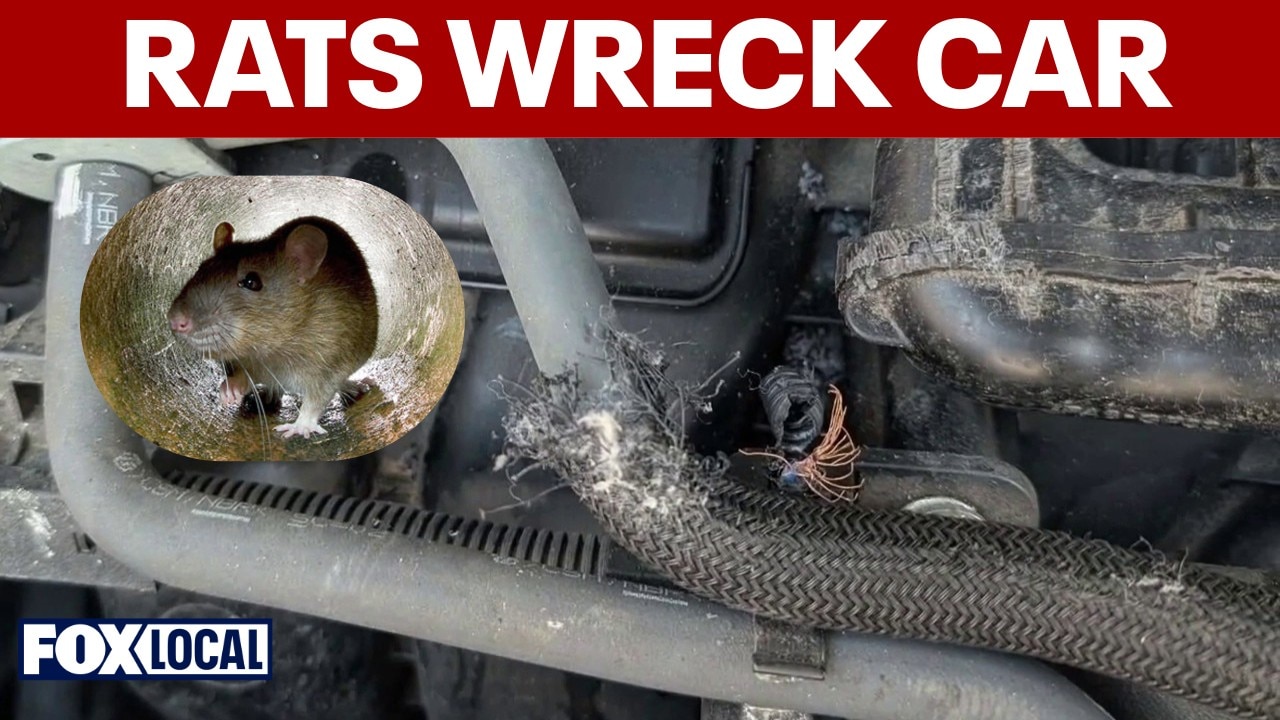
Rat chews through car wiring, causes $15K in damage in D.C.
A New Jersey mother says a rat chewed through her car’s wiring while visiting D.C., causing $15,000 in damage and leaving her stranded.
WASHINGTON - District officials say they are stepping up efforts to combat a growing rat problem, but for one visiting mother, the response comes too late.
Anna Grabowski says her family’s Presidents Day weekend trip to Washington, D.C. took an unexpected and costly turn after a rat chewed through the wiring in her car – causing an estimated $15,000 in damage.
Dig deeper:
What makes the story even more unusual: the rat wasn’t just seeking shelter - it was pregnant.
Grabowski had driven from New Jersey to visit the monuments with her three young children. She parked her car on the street near her hotel, opting to skip the $60 parking fee after learning street parking would be free for the holiday.
After 39 hours she loaded her kids up in the car to head home, only the car wouldn’t start. She thought she had done something wrong. Her husband came to pick her and the kids up and had the car towed to their home in New Jersey. That’s when they made a shocking discovery.
"When we opened the hood, there were three baby rats inside," Grabowski said.
She believes the animal was desperate to find a safe, warm place to give birth during the cold February weather.
"I think because she was pregnant, she was desperate," Grabowski said. "It was cold, so maybe she chewed everything to make a nest. It was a lot of damage."
Big picture view:
Experts say while the situation may sound bizarre, it’s not uncommon.
Mechanics explain that some vehicles often use soy-based coatings on wiring, which can attract rodents.
"It’s the coating of the engine harnesses," said Micheal Harper, a mechanic at Malloy Ford. "They’re made out of soy, so rodents are attracted to the smell. It’s basically a bean, and they like to eat it."
Harper says the warmth of a recently used engine can make matters worse.
"The heat from the engine warms those materials and can release a scent," he said. "Then they start chewing while they’re nesting."
Local perspective:
District officials acknowledge that rodent activity has been increasing and say they are taking steps to address it. According to D.C. Health, more than 3,000 rodent burrows have been reported across the city.
Health officials say they are using a combination of baiting, tracking powder, and fertility control measures to reduce the population. Efforts will begin this spring in areas with the highest concentration of rodent activity, beginning in Adams Morgan.
"We’re using our data, complaints, and burrow counts to identify dense areas and address the rodent activity," said Dr. Ayanna Bennett, director of the D.C. Department of Health.
Officials are also asking residents to help prevent the problem from getting worse by keeping trash contained, avoiding leaving food outside, and clearing clutter from alleyways.
Anyone who sees signs of rodent burrowing is encouraged to report it by calling 3-1-1.
For Grabowski, the experience has been an expensive lesson and a reminder that even a simple parking decision can come with unexpected consequences. She said next time she will rent a car.