

Dozens sue Ozempic maker after sudden vision loss
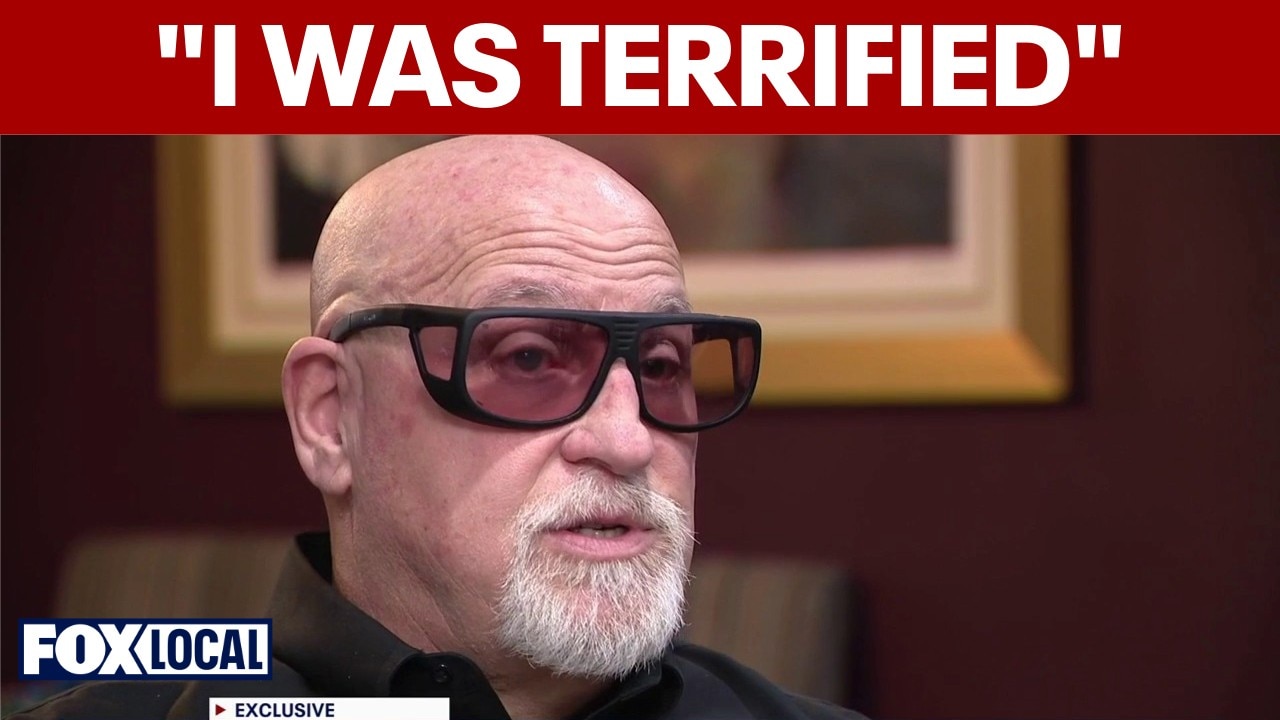
EXCLUSIVE: Maryland man says Ozempic left him legally blind
A Columbia, Maryland man says the diabetes and weight-loss drug Ozempic left him legally blind and changed his life forever.
COLUMBIA, Md. - Todd Engel, a resident of Columbia, Md., is among the dozens of Americans now suing the maker of the popular diabetes and weight-loss drug Ozempic after they say the medication led to vision loss.
Devastating diagnosis:
Todd Engel was working as a professional truck driver for Howard County highways in 2023 when his doctor prescribed Ozempic to help manage his diabetes.
Around New Year’s Eve, Engel suffered what doctors described as an eye stroke, leaving him completely blind in his right eye.
At the time, he continued taking the medication — unaware there could be a connection. Ten months later, Engel woke up unable to see out of his left eye.
He was later diagnosed with NAION, a condition known as non-arteritic anterior ischemic optic neuropathy, the leading cause of sudden vision loss.
Now, Engel is legally blind.
In a lawsuit, Engel claims the drug’s manufacturers knew Ozempic was associated with an increased risk of NAION but did not disclose that risk.
"I was terrified":
Engel remembers the moment his life changed.
"I was terrified. The first thing that came to my mind was forget my job. I’m never going to be able to see my wife again."
Life after losing his sight:
Engel’s wife, Shelley, now helps him with daily tasks — from navigating public spaces to visiting family.
The couple had to make adjustments around the house. They even bought special dishes with raised edges so Engel can eat without spilling food.
The vision loss also forced Engel to leave the job he loved.
"I went in and I told them what happened, and I cried in front of my supervisors because I couldn’t do my job anymore," Engel said. "A job I really enjoyed."
Growing legal battle:
In December, dozens of similar lawsuits were consolidated in Pennsylvania.
The cases will now move forward together, allowing plaintiffs to seek information about what the drug’s manufacturer knew about the risks.
Engel says one of his doctors raised the possibility of a connection.
"My neuro-ophthalmologist at Johns Hopkins Wilmer Eye Institute said there’s some speculation that Ozempic could have caused this."
According to the lawsuit, a spokesperson for the drug maker acknowledged that cases of NAION were identified during clinical trials.
One study cited in the complaint found that using semaglutide — the active ingredient in Ozempic — more than doubles the risk of NAION, even after accounting for other factors.
"I want them to see me":
Engel says he hopes his story will send a message to the drug’s manufacturers.
"I want people to realize. I want the manufacturers of Ozempic to see me. That I cannot see anything. I’m blind. I’m legally blind, and this is devastating," Engel said.
Missing moments:
Engel is now learning how to navigate life without his sight and finding new ways to stay connected with his grandchildren.
Recently, he attended his grandson’s bar mitzvah. He was proud, but said the moment was bittersweet.
"I was so proud of him, but I wanted to see him do this, and I couldn’t. I can’t play ball with any of my grandchildren anymore," he said.
Company response:
In a statement provided by a Novo Nordisk spokesperson, the company said:
Patient safety is our top priority, and we take all reports of adverse events related to the use of our medicines very seriously.
Semaglutide has proven a wide range of benefits in the GLP-1 class beyond glycemic control and weight loss for people with cardiometabolic disease. Considering the totality of evidence from clinical trials, post-marketing reports and observational studies, alongside the generally low incidence rate of NAION, Novo Nordisk believes that the "benefit-risk profile of semaglutide remains favorable."
We remain committed to patient safety and transparency by maintaining up-to-date safety information and collaborating closely with health authorities and regulatory bodies worldwide.
Additional background information:
- Semaglutide has been studied in robust clinical development programs (SUSTAIN, PIONEER, STEP, SELECT, STRIDE, SOUL, FLOW, ESSENCE) with more than 54,000 semaglutide exposed participants and exposure from post-marketing use of over 38 million patient years.
- NAION is not currently listed as an adverse drug reaction for the marketed formulations of semaglutide (Ozempic®, Rybelsus® and Wegovy®) as per the approved labels in the US.
- FDA is currently evaluating whether there is a safety signal with respect to NAION and conducting an analysis across its national electronic data system, but has not made a determination at this time.
- NAION is a rare medical condition that affects the optic nerve, leading to sudden and often painless vision loss. There are both local and systemic risk factors for NAION, of which diabetes and obesity are known. Other risk factors like hypertension, hypertriglyceridemia and hypercholesterolemia are also known co-morbidities in people with T2D and obesity.