

Protestors argue driverless cars could cost jobs in DC as council considers bill
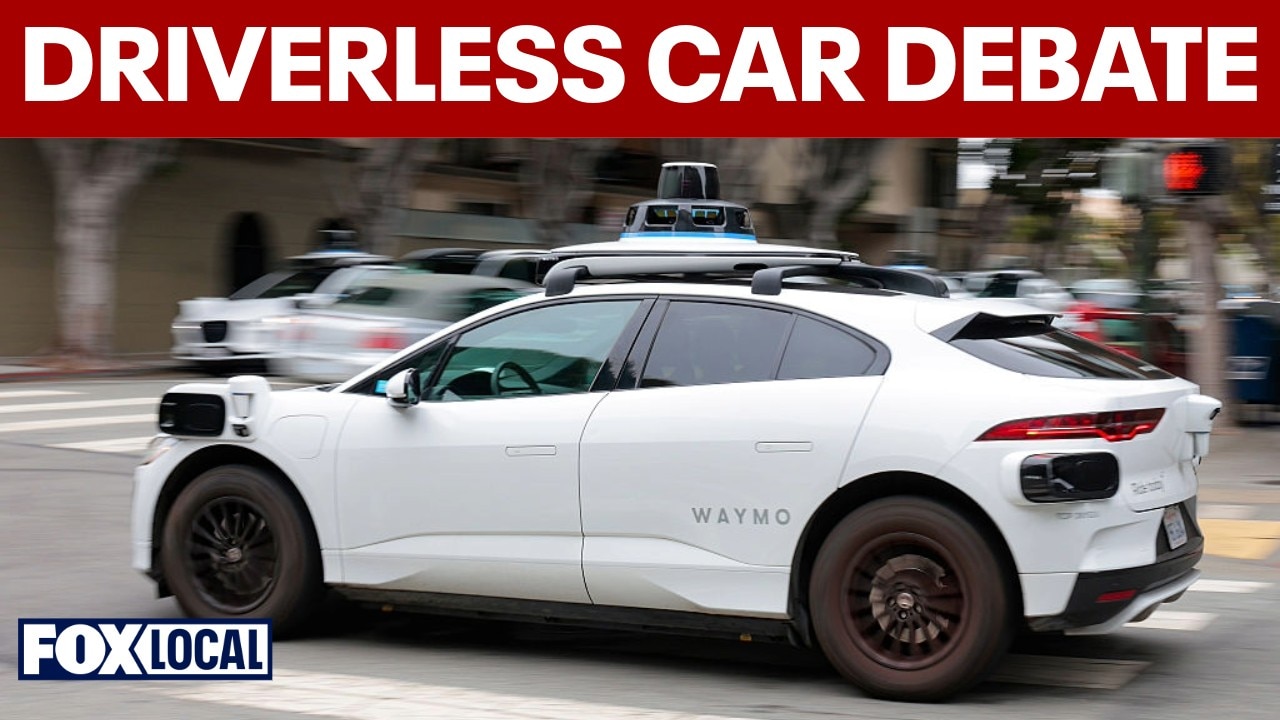
Protesters and advocates clash over DC driverless car bill
The D.C. Council is considering a bill to establish rules for autonomous vehicles, drawing sharp opposition from local drivers concerned about job losses and safety. While labor unions argue computers cannot handle the district's complex streets, accessibility advocates support the legislation to help prevent discrimination against passengers with service animals.
WASHINGTON - Protestors gathered Monday as the D.C. Council heard testimony on a bill that would set rules and allow driverless cars in the District.
While supporters say the autonomous vehicles (AVs) are safe, protestors argue that the technology could cost jobs.
In some ways, Monday's spirited debate is similar to the one held 15 years ago when Uber and Lyft came to town. Though this time, the cars are not driven by humans, but by onboard computers.
What we know:
Waymo has been testing their AVs with drivers inside for two years. The company said it has test driven over 300,000 miles in D.C., safely navigating everything from crowded Chinatown streets to an emergency in the 3rd Street tunnel.
Now, the D.C. Council is considering a bill, introduced by Councilmember Charles Allen, that would create rules for autonomous vehicle companies.
Current law allows AVs to be tested only if a human safety driver is behind the wheel. The bill would require companies to provide service across all neighborhoods, share safety and operational data with the city, coordinate with first responders, and contribute funding for Metro and workforce development programs for drivers who could be affected.
"Given the advancements we’ve seen I don’t think it’s a question of if AVs are coming, it’s when and under what conditions and how they’d work for our local roadways and local economy," said Ward 6 Councilmember Allen.
The full council could vote on the bill before the end of the year.
What they're saying:
Ahead of Monday's hearing, professional drivers and union members spoke out against AVs, with critics saying they are not ready to come to D.C.
Protestors pointed to other cities where they claim drivers have lost work and earnings.
They said in a city like D.C. — with motorcades, street closures and security changes — humans are better equipped to deal with D.C. streets than computers are.
"Our streets are unpredictable," said UPS driver Obika Griffith. "Every shift brings new situations that require quick thinking and responsible decision making."
Several panels of disabled advocates were among supporters of the bill, saying they welcome AVs because they have been illegally denied service by traditional ride share drivers who won't let them into the car without seeing eye or service dogs.
Supporters also said the technology could reduce crashes caused by human error and improve transportation access.
The Source: Information in this article comes from the DC Council and FOX5 DC reporting.