

Asthma Peak Week: Prepare for flare-ups from weather-related allergens
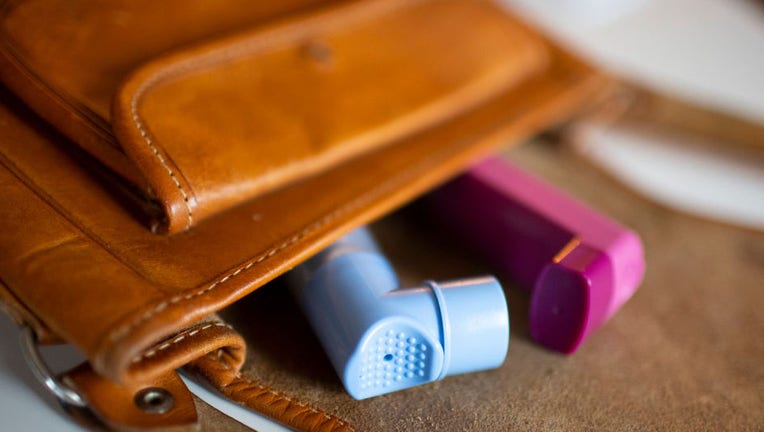
FILE - In this photo illustration lie two asthma inhalers in a handbag on Feb. 3, 2021 in Bonn, Germany. (Photo by Ute Grabowsky/Photothek via Getty Images)
WASHINGTON D.C. - As summer fades into fall, medical experts are sounding the alarm for those with asthma to prepare for potential flare-ups.
Asthma flare-ups expected this week
What we know:
According to the Asthma and Allergy Foundation of America, this week marks Asthma Peak Week. Weather changes, along with shifts in humidity and pollen levels, contribute significantly to airway inflammation, which is a primary driver of asthma symptoms.
Nearly 28 million people in the U.S. have asthma, the AAFA says. This is about 1 in every 12 people. Black Americans are six times more likely than white Americans to visit the emergency department due to asthma-related symptoms.
Health officials advise those with asthma to diligently take prescribed medications and maintain hygiene practices, such as regular handwashing, to combat respiratory viruses that tend to spike during fall.
Causes and symptoms of seasonal asthma
What they're saying:
"Make sure that you're taking all of your medications as prescribed, no matter how frequently you have symptoms of asthma," said a health official.
Seasonal asthma, also known as allergic asthma, is triggered by allergens that rise during specific times of the year. Common triggers include pollen from trees, grasses, and weeds. The immune system's response to these allergens can lead to symptoms such as a runny nose, itchy eyes, and sneezing, which may worsen asthma symptoms.
Pollen's role in asthma flare-ups
Pollen is a significant trigger for seasonal asthma, with its type varying by season. Spring is dominated by tree pollen, summer sees an increase in grass pollen, while late summer and fall are marked by ragweed pollen. These allergens can significantly impact those with asthma, making it crucial to be prepared during these seasons.
The Source: Information from the Asthma and Allergy Foundation of America and health officials.