

Chilly nights to last into early May across DC region
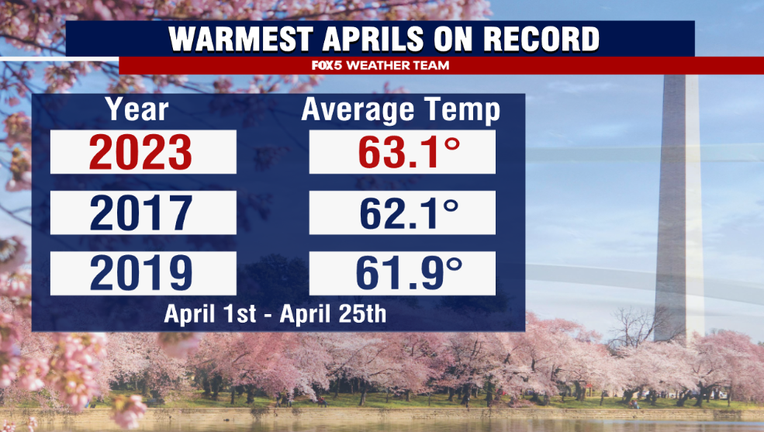
BETHESDA, Md. (FOX 5 DC) - 2023 has been off to a warm start. January and February were both the top three warmest in D.C. history, and we are closely following that up with what has so far been the warmest April on record.
To put it in perspective, the first four months of the year average 42 days of temperatures exceeding 60° in Washington, D.C. This year so far, we have already had fifty-four days exceed 60°, and there is still five days left in the month at the time this article is published.
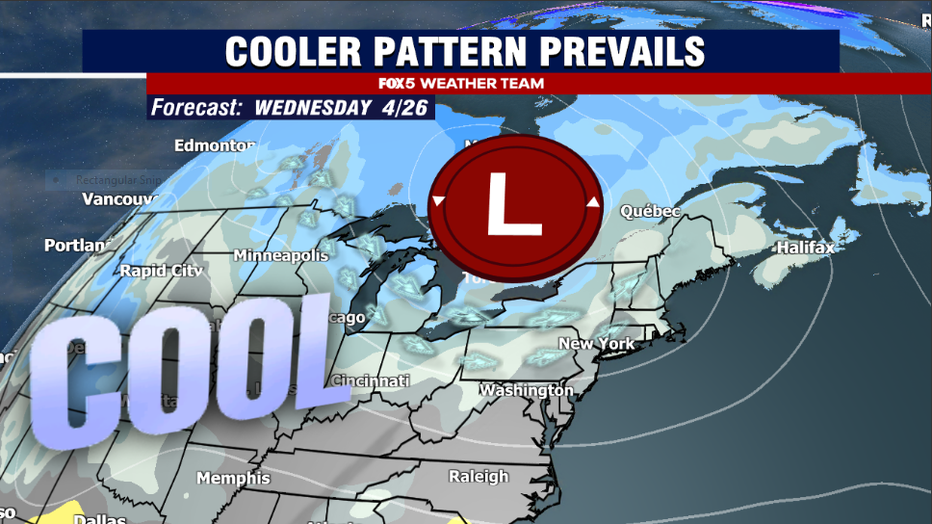
However, as we enter this final week of what has been an April that has featured eight 80° or warmer afternoons, we find ourselves in the early stages of a chilly pattern that is expected to last into early May.
This means chilly to downright cold nights, and cool to mild afternoons for the foreseeable future. From the questions I have received on social media though, many are already missing that taste of summer, and want to know when they can expect to break out the sunglasses and tank tops once again!
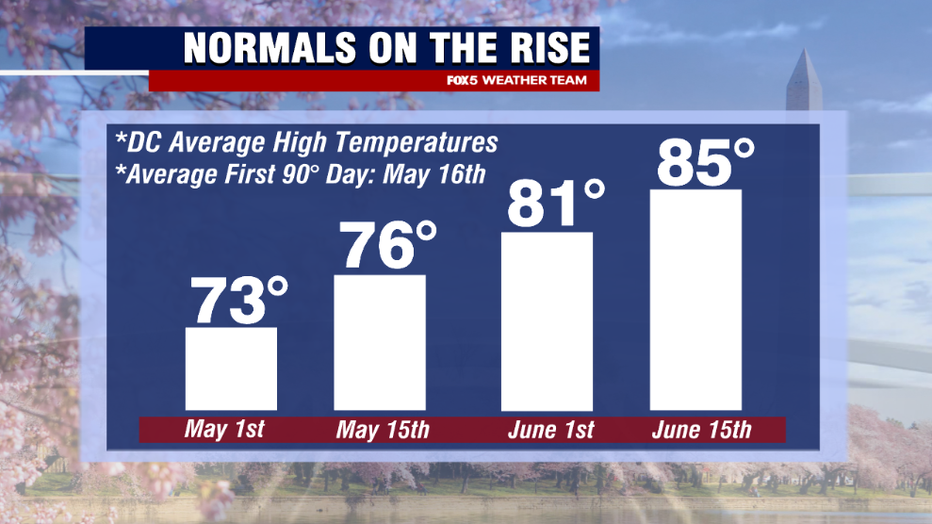
The reality is that even saying "below normal temperatures" changes how that feels as we get progressively into spring.
By the end of next week, average temperatures in the D.C. region are already to be in the low to middle 70s. So even a day that is 10 degrees below normal is still a day in the 60s, which can feel fantastic provided it comes with sunshine and not rain.
By June, as the sun angle approaches its apex in our sky, the average day features 80° temperatures. By then, even a well-below-normal day feels relatively comfortable. As we say in meteorology, you can only outrun climatology for so long!
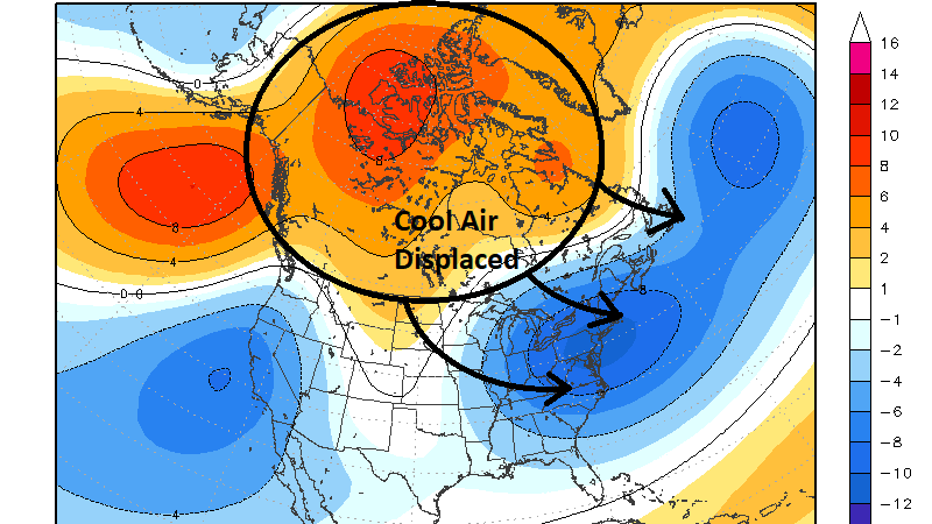
As far as the pattern is concerned, the primary driver for this extended period of cooler-than-normal temperatures is a feature we saw several times during the fall and early winter. These are strong upper-level blocks over the Polar region that displace colder and drier air southward into the continental United States. These features have been building over the last week, and have set up in such a way that the eastern United States is now favored to receive some prolonged cooler air.
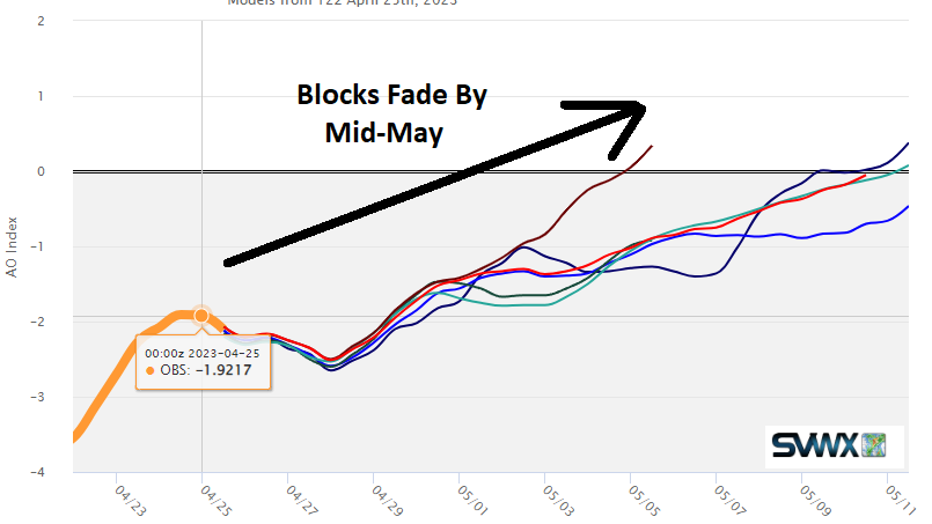
Much like what was the case over the winter, this type of pattern is not expected to last too long. Weather models generally agree that they will sustain themselves through the end of April, before weakening into May. As these features weaken, the jetstream will lift farther north, and allow for some warmer air to push northward from the southern states.
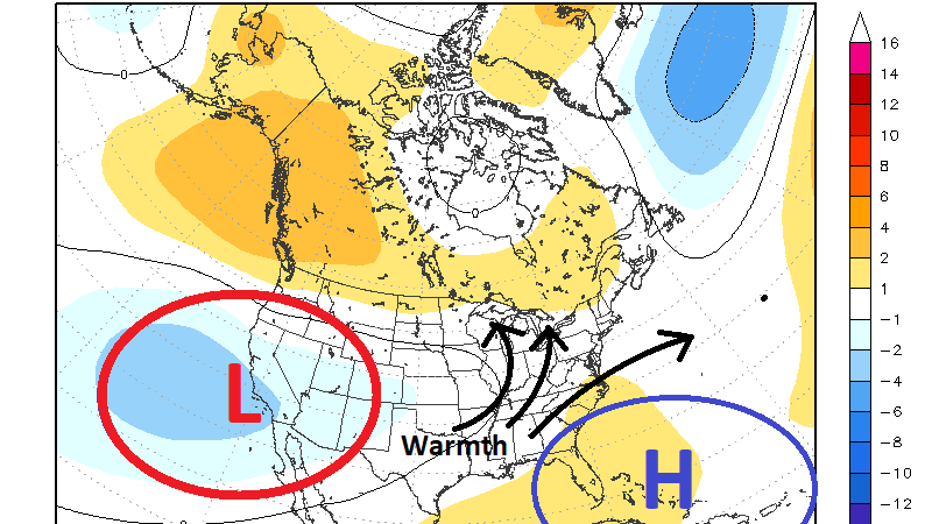
Most agree that by the second full week of May, we should start seeing temperatures shift in a warmer direction. While there is still no sign of any early summer heat wave on the horizon, more consistent 70s and 80s should become commonplace by the middle of the month.
Be careful what you wish for though, warm weather lovers! While the current pattern may be cooler than what you might like, the pattern is also keeping humidity at bay. As these patterns break down, not only will heat return but humidity as well. So enjoy these cooler late spring days while we have them!