

Lindsay Clancy verdict: What a mistrial would mean for her murder trial

PLYMOUTH, Mass. - As the jury in the Lindsay Clancy murder trial weighs whether it can reach a unanimous verdict, a mistrial remains a possibility.
A mistrial would not end the case with a conviction or an acquittal. Instead, it would mean the current trial ended without a verdict, leaving prosecutors to decide what happens next.
What is a mistrial?
What we know:
A mistrial is declared when a trial cannot reach a legal conclusion.
In Clancy’s case, that could happen if the jury remains unable to agree on a verdict and does not consent to further deliberations.
The jury must be unanimous. It has already reported more than once that it could not reach a decision.
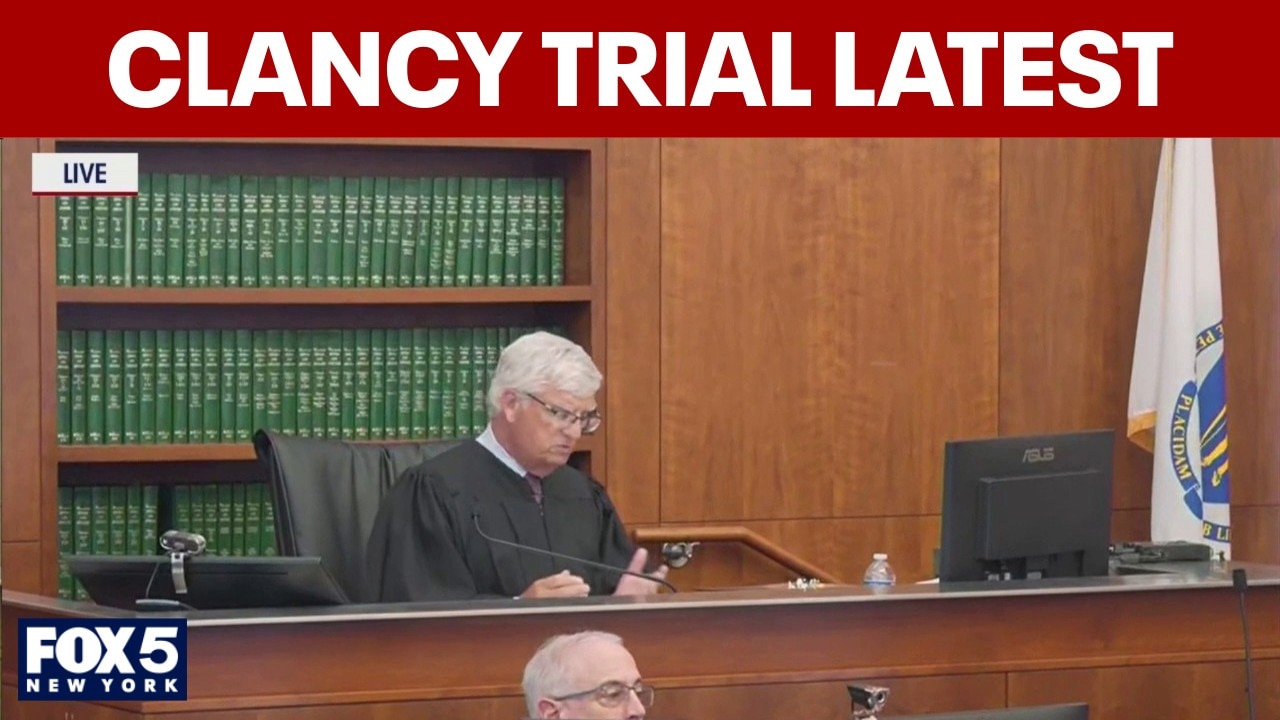
WATCH: Lindsay Clancy trial judge says he intends to declare mistrial
Without the jurors present in the courtroom, Judge William F. Sullivan said he intends to declare a mistrial, but gave the defense an hour to make an emergency appeal for a stay.
What happens immediately after a mistrial?
What's next:
If a mistrial is declared, the jury would be dismissed and its deliberations would end.
Clancy would not be acquitted, and the charges against her would not automatically disappear. She would remain charged in the 2023 deaths of her three children: Cora, 5; Dawson, 3; and Callan, 8 months.
Could Lindsay Clancy be tried again?
Dig deeper:
Yes. Prosecutors could decide to retry the case before a new jury.
A retrial would mean both sides would again present their case, including testimony and evidence from the first trial. The earlier jury’s inability to agree would not prevent prosecutors from pursuing the charges again.

PLYMOUTH, MASSACHUSETTS - SEPTEMBER 3: Defense attorney Kevin Reddington is surrounded by the press as he leaves the courthouse after Judge William Sullivan sent the jury home following the conclusion of deliberations for the sixth day in the trial o
Could there be a plea deal?
A plea agreement is another possibility.
The prosecution and defense could negotiate a resolution rather than put the case before another jury. No plea agreement has been announced in the Clancy case.
Could prosecutors drop the charges?
Prosecutors could dismiss the charges, though that would be their decision and is generally considered unlikely in a case involving first-degree murder charges.
Where the case stands
What's next:
Clancy, 36, has pleaded not guilty by reason of lack of criminal responsibility.
Her attorneys argue she was experiencing postpartum psychosis when she killed the children. Prosecutors contend she knew what she was doing.
The jury has not reached a verdict.
The Source: This article was written using information from Massachusetts law, prior FOX 5 DC reporting and the latest FOX 5 NY coverage.