

Virginia 2026 voter guide: Key races and amendments on your ballot
Battleground Midterms September 17, 2026
S.E. Cupp and Bill Anderson break down the key races shaping the 2026 midterm elections and the fight for control.
RICHMOND, VA. - With midterms just over six weeks away, Virginia voters are preparing to head to the polls alongside the rest of the nation.
Unlike presidential elections, which occur every four years, midterm elections take place halfway through a president’s term and focus on electing federal legislators, choosing state and local officials and deciding ballot measures.
In the Old Dominion, there are several key races to watch this midterm election cycle, including a senator's race and several congressional races. There are also three proposed constitutional amendments that Virginia voters will be deciding whether to officially adopt into the state constitution, according to the Virginia Department of Elections.
Local perspective:
Here's what you should know before heading to the ballot box.
Key Virginia races to watch
U.S. Senate Seat
The Candidates: Democratic incumbent Mark Warner vs. Republican challenger Bert Mizusawa.
The Dynamics: Democratic incumbent Mark Warner is seeking a fourth term in office. Challenging him is Republican nominee Bert Mizusawa, a retired U.S. Army Major General who won the August Republican primary.
Featured
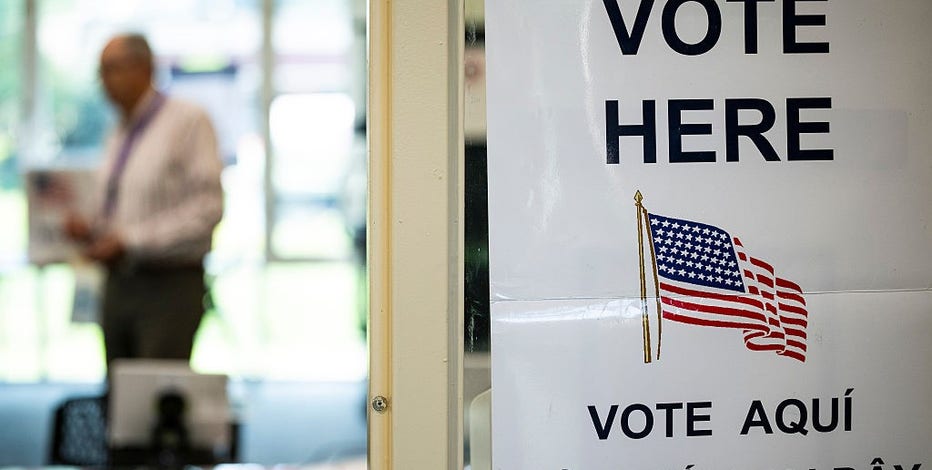
Virginia US Senate Republican primary 2026: Live results
Track live results for Virginia's 2026 Republican primary for U.S. Senate.
Why It Matters: While election analysts generally classify the seat as safely Democratic, the statewide nature of the race makes it a useful gauge of how federal politics are playing out across Virginia's varied regions, per the Cook Political Report.
Virginia’s 1st Congressional District
The Candidates: Republican incumbent Rob Wittman vs. Democratic challenger Shannon Taylor.
The Dynamics: Republican incumbent Rob Wittman is seeking his tenth full term in office. He faces Democratic nominee Shannon Taylor, the Henrico County Commonwealth's Attorney, who won a multi-candidate primary to secure the spot.
Why It Matters: The district runs from the Richmond suburbs out through the Middle Peninsula and Northern Neck, blending growing suburban areas with more rural, conservative-leaning territory — making it a good gauge of whether Democrats can compete beyond the state's urban centers, according to the Virginia Public Access Project.
Virginia’s 2nd Congressional District
The Candidates: Republican incumbent Jen Kiggans vs. Democratic challenger Elaine Luria (alongside independent candidates).
The Dynamics: Luria previously represented the Virginia Beach-area district before losing to Kiggans in 2022, according to previous FOX 5 D.C. reporting. Kiggans and Luria are both Navy veterans, and the race is expected to draw significant national attention as Democrats try to take back the Republican-controlled House.
Why It Matters: As one of the most closely monitored U.S. House seats in the country, it has historically tracked broader split-ticket voting patterns nationally, according to Ballotpedia.
The district covers Coastal Virginia and Hampton Roads, including Virginia Beach, Suffolk, Isle of Wight County and the Eastern Shore.
Virginia’s 7th Congressional District
The Candidates: Democratic incumbent Eugene Vindman vs. Republican challenger Douglas Ollivant (alongside Libertarian Taner Lopez and several independent candidates).
The Dynamics: Centered around key Northern Virginia suburbs and exurbs, Democratic incumbent Eugene Vindman seeks to defend his seat against Republican nominee Douglas Ollivant.
Featured
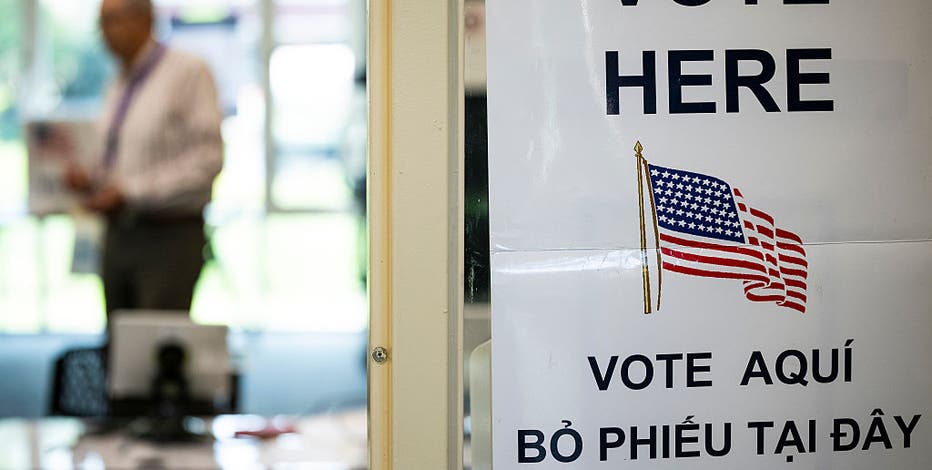
Virginia early voting starts Sept. 18: What voters need to know
Virginia voters will soon have their opportunity to cast ballots in the 2026 midterm elections, with in-person early voting beginning Sept. 18 and continuing through Oct. 31.
Why It Matters: The district was competitive in 2024, when Vindman won with about 51% of the vote, and Republicans are again targeting the seat.
The district stretches across parts of Northern and Central Virginia, including Fredericksburg, Stafford, Spotsylvania, Culpeper and portions of Prince William County.
Virginia’s 8th Congressional District
The Candidates: Democratic incumbent Don Beyer vs. Republican challenger Tony Sabio.
The Dynamics: Longtime Democratic incumbent Don Beyer is running for reelection following a primary victory. He faces Republican nominee Tony Sabio, alongside third-party challengers.
Why It Matters: Based in D.C.-adjacent Northern Virginia communities like Alexandria and Arlington, this reliably Democratic district tends to post strong turnout numbers in federal elections, the Virginia Public Access Project notes.
Virginia’s 10th Congressional District
The Candidates: Democratic incumbent Suhas Subramanyam vs. Republican challenger Dave Beckwith (alongside Libertarian Shelly Arnoldi and independent Tim Sharman).
The Dynamics: Covering outer Northern Virginia, Democratic incumbent Suhas Subramanyam is defending his seat against Republican nominee Dave Beckwith.
Why It Matters: The district reflects the demographic growth and political change underway in Virginia's outer suburbs, Ballotpedia notes.
Proposed constitutional amendments
Dig deeper:
Alongside federal candidates, Virginia voters are deciding on three constitutional amendments placed on the ballot following approval by consecutive sessions of the General Assembly, according to the Virginia Department of Elections.
A simple majority "yes" vote on any of the questions is the final step required to ratify the change into the state constitution, while a majority "no" vote rejects the amendment.
Question 1 – Reproductive Health Care Rights: Enshrines an explicit right to personal reproductive freedom in the state constitution, protecting autonomous decisions regarding prenatal care, contraception, abortion care and fertility treatments.
Question 2 – Marriage Equality: Formally repeals an inactive state constitutional clause that restricts marriage to a union between a man and a woman, replacing it with affirmative language recognizing marriage equality for consenting adults regardless of sex, gender or race.
Question 3 – Restoration of Felony Voting Rights: Replaces the historic requirement of individual gubernatorial approval, automatically reinstating voting rights for individuals with past felony convictions upon completion of their prison term.
The Source: Information from the Virginia Department of Elections, The Virginia Public Access Project, Ballotpedia, the U.S. Vote Foundation, the Cook Political Report and FOX 5 D.C. reporting.