

FAA set to test AI air traffic system at DC area airports, reports say
FAA set to test AI air traffic system at DC area airports, reports say
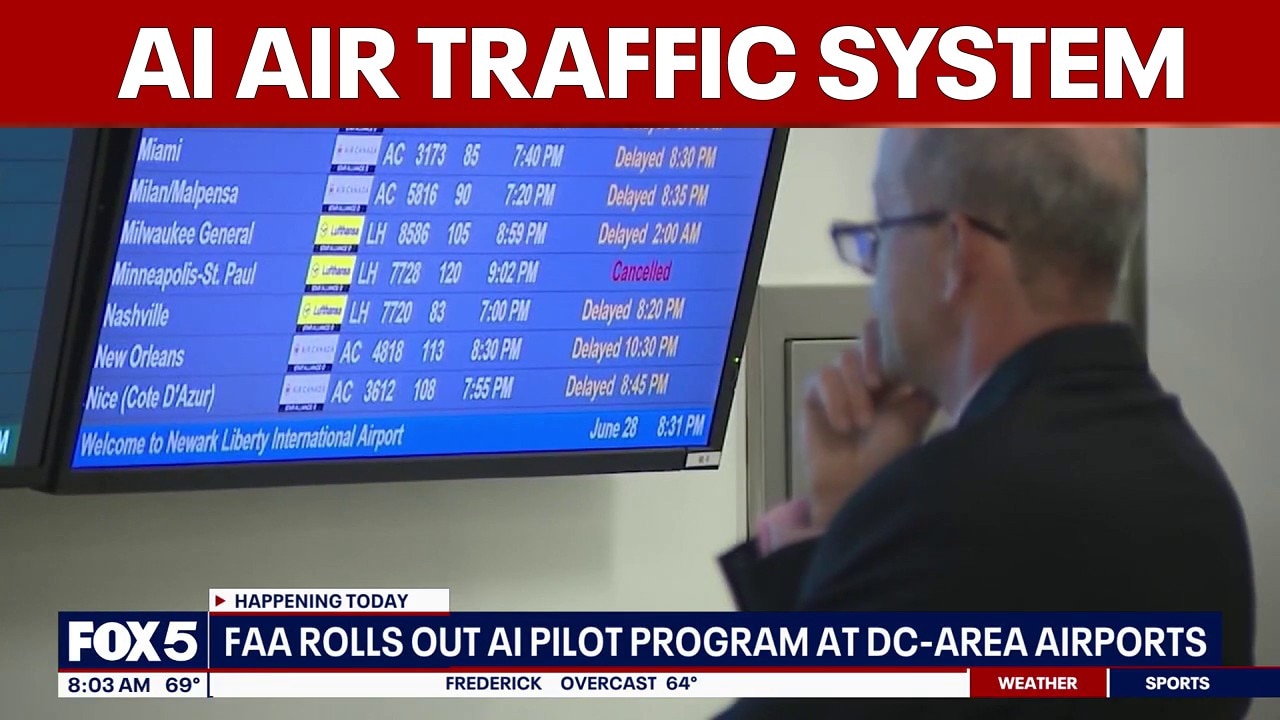
Big changes are coming to the region’s airports as the FAA launches a cloud‑based artificial intelligence platform designed to help get planes to their destinations on time. The system is expected to debut in the D.C. region first.
ARLINGTON, Va. - Big changes are coming to the region’s airports as the FAA launches a cloud‑based artificial intelligence platform designed to help get planes to their destinations on time. The system is expected to debut in the D.C. region first.
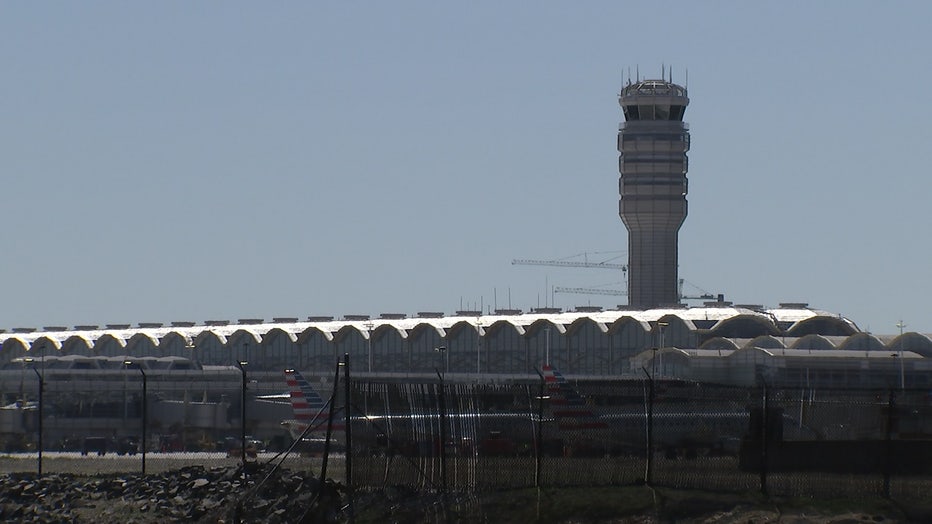
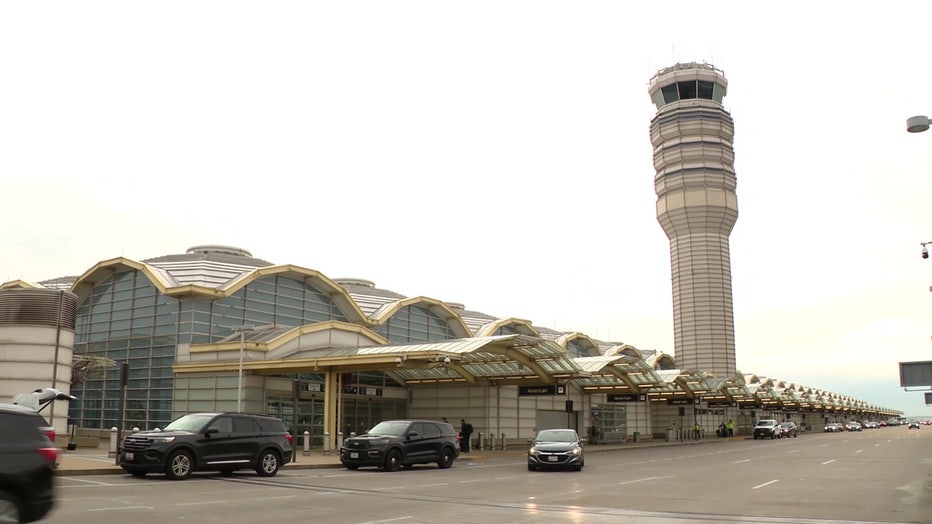
Before the technology launches nationwide, several outlets report the FAA will "soft launch" the program at Dulles International Airport, Baltimore/Washington International Thurgood Marshall Airport and Reagan National Airport. FOX 5’s Stephanie Ramirez reports the AI program is called SMART, short for Strategic Management of Airspace, Routes and Trajectories. It is part of a nearly $900 million FAA technology contract.
FAA set to test AI air traffic system at DC area airports, reports say
The SMART system will use artificial intelligence to analyze airline schedules, airport capacity, weather conditions and operational constraints to predict traffic flows. It is designed to identify potential conflicts before they occur to help reduce delays and improve air‑traffic performance. The FAA says the rollout is expected to begin in fall 2026.
The New York Times reports the soft launch begins Tuesday at the FAA Air Traffic Control System Command Center in Warrenton, Virginia, where AI recommendations will be disseminated. Politico reports the pilot will run for 90 days. FOX 5 also reached out to the FAA for comment.
FAA set to test AI air traffic system at DC area airports, reports say
The launch comes amid increased concerns over AI, including comments from the president last week. Many passengers told FOX 5 they had no idea the program was coming, offering mixed reactions.
The FAA stresses SMART will not replace human air‑traffic controllers, who remain responsible for keeping planes safely separated. The Times also reports the program is not intended to direct any flight changes.
The Source: Information in this article comes from the New York Times, Washington Times and previous FOX 5 reporting.