

DOT proposal seeks to eliminate DC traffic cameras, sparking safety debate: Report

Federal proposal seeks to eliminate D.C. traffic cameras
The U.S. Department of Transportation is reportedly proposing plans to eliminate automated traffic enforcement in D.C. The move would ban the use of speed, red light, and stop sign cameras throughout the city. FOX 5’s Bob Barnard reports, plus the Take @ 2 panel weighs in.
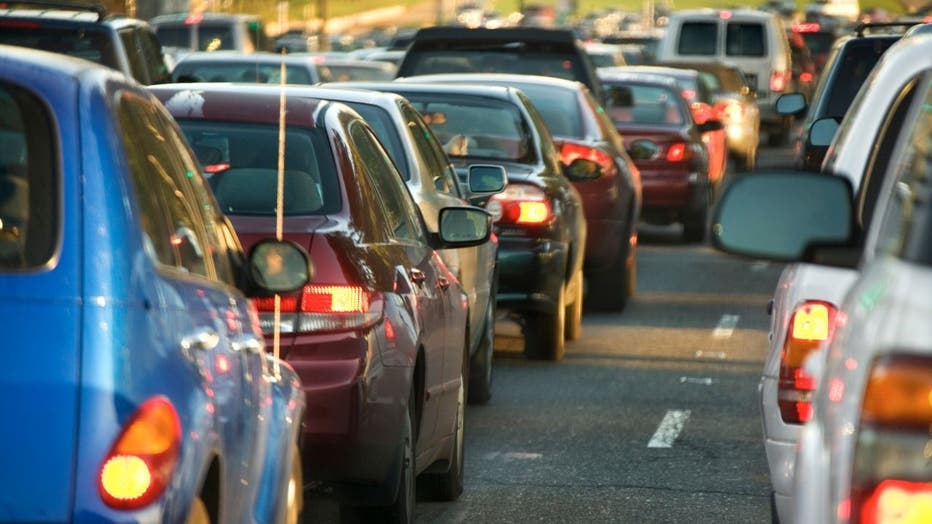
WASHINGTON, D.C. - A federal proposal to ban automated traffic enforcement cameras in Washington, D.C. has triggered sharp criticism from local officials and safety advocates, who argue the plan would strip the city of a key tool used to reduce crashes and reckless driving.
What we know:
The U.S. Department of Transportation is seeking to prohibit the operation of automated traffic enforcement cameras in Washington, D.C., according to a proposal sent to the White House Office of Management and Budget and obtained by Politico.
The proposal would outlaw speed, red light and stop sign cameras throughout the city as part of the upcoming surface transportation bill, which Congress is aiming to pass this year.
Automated traffic enforcement has been used in the District since red light cameras were implemented in 1999. The program has expanded significantly over the years, and there are currently 546 active enforcement cameras across the city, according to data from Politico. These cameras enforce violations including speeding, running red lights, unauthorized vehicles in bus lanes and trucks traveling on restricted routes.
Fines issued through the program range from $100 to $500, with steeper penalties for passing a school bus with flashing lights or driving more than 25 miles per hour over the speed limit.
According to the D.C. Office of the Chief Financial Officer, the city generated $139.5 million from automated traffic enforcement in fiscal year 2023, $213.3 million in fiscal year 2024 and $267.3 million in fiscal year 2025.
What they're saying:
U.S. Shadow Representative Oye Owolewa strongly criticized the proposal, calling it federal overreach that puts District residents at risk.
"The U.S. Department of Transportation’s attempt to override local decision-making by scrapping automated traffic enforcement in Washington, D.C. is an absolute dangerous overreach into the District’s affairs and a direct threat to our public safety," Owolewa said.
Owolewa said removing traffic safety equipment without enforceable alternatives would make streets more dangerous and costly, pointing to increased crashes, injuries and emergency response needs.
"This is not a hypothetical concern for me," he said, noting he was involved in a serious traffic accident at an intersection that lacked automated enforcement and adequate traffic controls. "That absence truly mattered."

U.S. Rep. Oye Owolewa
Owolewa also pushed back on the idea that cameras are primarily about revenue.
"Traffic safety cameras are not only about revenues, they’re about accountability, prevention, and saving lives," he said. "Stripping the District of these tools without a comprehensive safety plan sends a dangerous signal that reckless driving will be tolerated."
Opponents of automated enforcement argue otherwise. Rep. Scott Perry, R-Pennsylvania, has introduced legislation to strip D.C. of its ability to use automated traffic enforcement systems.
"Automated traffic enforcement is being used to generate revenue, not enhance safety," Perry said in a statement. "It’s un-American and should be abolished."
The backstory:
There have been repeated efforts in Congress to limit or eliminate D.C.’s use of traffic cameras, but none have yet become law. A House-authored fiscal 2026 spending bill would have barred the District from using funds for automated enforcement, though it never received a floor vote, according to Politico.
The District government maintains that the program is "designed to create safer roadways for all road users in the District of Columbia." Mayor Muriel Bowser previously launched the Vision Zero DC initiative, aimed at eliminating traffic-related injuries and fatalities, with expanded camera use as part of that effort.
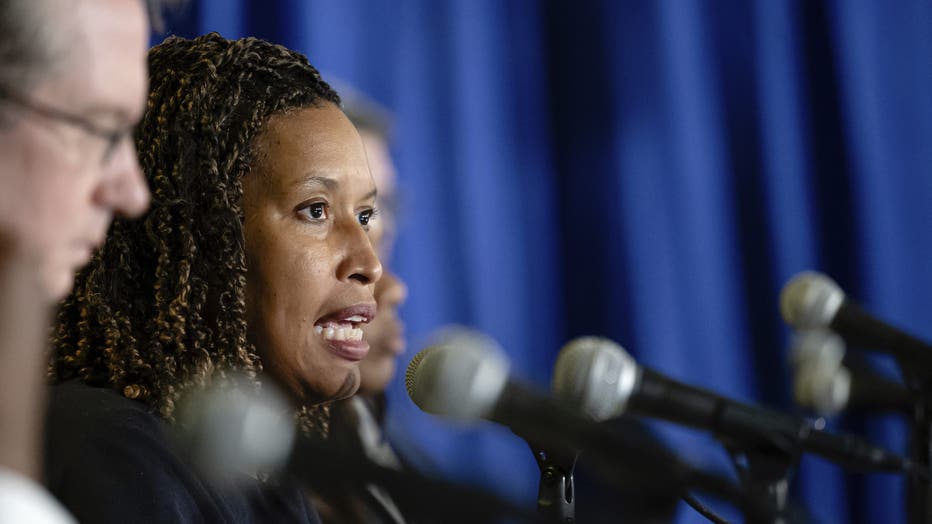
District of Columbia Mayor Muriel Bowser speaks at a news conference, Wednesday, Aug. 27, 2025 in Washington. (AP Photo/Jon Cherry)
Big picture view:
Supporters of automated enforcement point to studies suggesting traffic cameras improve road safety. A recent study from Rutgers University-Newark found automated speed enforcement cameras improved safety in New York City, where officials have announced plans to expand camera enforcement to additional bus routes.
The DOT proposal would place Washington, D.C. at the center of a broader national debate over traffic safety, federal authority and local control, as lawmakers consider the future of automated enforcement in cities across the country.
What's next:
The proposal is tied to the surface transportation bill Congress hopes to pass this year. Any final decision would require legislative approval, and it remains unclear whether lawmakers will adopt the DOT’s recommendation.
The Source: This article was written using reporting from Politico and a public statement from U.S. Shadow Representative Oye Owolewa.