

DC health officials warn of possible measles exposure at events, transit sites
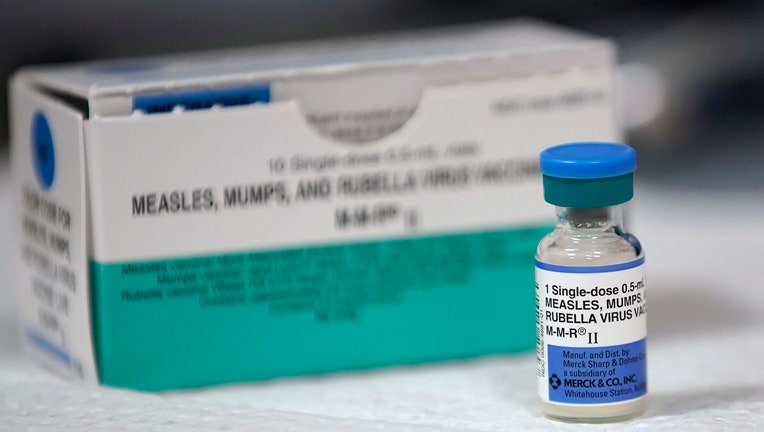
SALT LAKE CITY, UT - APRIL 26: In this photo illustration a 10 pack and one dose bottle of measles, mumps and rubella virus vaccine, made by MERCK, sits on a counter at the Salt Lake County Health Department on April 26, 2019 in Salt Lake City, Utah.
WASHINGTON, D.C. - DC health officials are investigating multiple confirmed cases of measles after people who were contagious visited several locations across Washington, D.C., potentially exposing others to the virus.
What we know:
DC Health says it was notified of multiple confirmed measles cases involving people who visited several locations in the District while contagious. Officials are now working to identify anyone who may have been exposed.
Health officials released a list of places, dates, and times when exposure may have occurred. The locations include religious sites, large public events, college buildings, public transportation, Union Station, Ronald Reagan Washington National Airport, and a hospital emergency department.
According to DC Health, measles is highly contagious and can spread through the air when an infected person breathes, coughs, or sneezes. The virus can remain in the air for up to two hours after an infected person leaves an area. Officials say about nine out of 10 unvaccinated people who are exposed will become infected.
Where exposures may have happened
DC Health says possible exposures occurred between January 21 and February 2 at multiple locations, including:
- The Basilica of the National Shrine of the Immaculate Conception
- The National March for Life rally and concert
- Several buildings at the Catholic University of America
- Metro trains on the Red and Yellow lines
- Union Station and an Amtrak Northeast Regional train
- Ronald Reagan Washington National Airport
- Children’s National Medical Center emergency department
A full list of locations, dates, and times has been released by DC Health.
What you can do:
Health officials say anyone who was at one of the listed locations during the specified times and is not immune should contact a healthcare provider or DC Health for guidance.
People who may have been exposed and are at risk are advised to watch for symptoms for up to 21 days after their last possible exposure. Symptoms often begin with a fever, runny nose, red watery eyes, and cough, followed days later by a rash that starts on the face and spreads.
DC Health says people who have received two doses of a measles-containing vaccine or were born before 1957 are protected and do not need to take action.
Why you should care:
Health officials say measles spreads easily, especially in crowded indoor spaces, and vaccination is the most effective way to prevent infection. Anyone who is unsure of their vaccination status is encouraged to check with a healthcare provider.
The Source: This article was written using information from the DC Department of Health.