

What is DC Emancipation Day? The history behind the April 16 observance
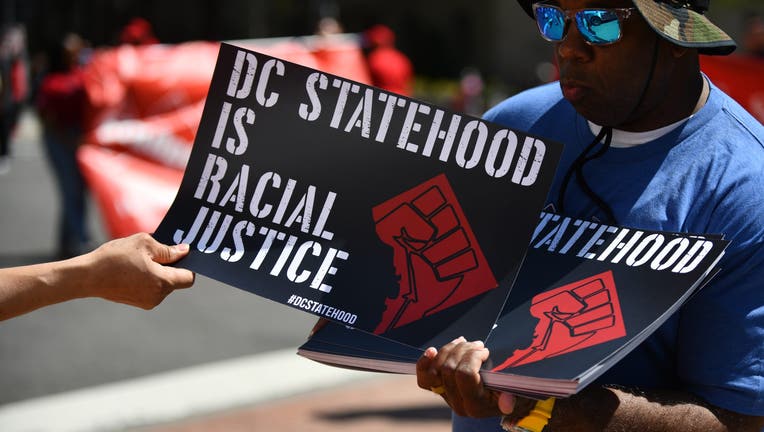
WASHINGTON, D.C., APRIL 14: Protest signs, demanding DC Statehood, were distributed during the DC Emancipation Day Parade along Pennsylvania Avenue in Washington, D.C., April 14, 2024. A contingency of 51 youth volunteers symbolically represented the
WASHINGTON, D.C. - DC Emancipation Day is a local holiday that honors the abolition of slavery in the nation’s capital — a milestone that came before the national Emancipation Proclamation.
What is DC Emancipation Day?
DC Emancipation Day commemorates April 16, 1862, when President Abraham Lincoln signed the District of Columbia Compensated Emancipation Act, ending slavery in Washington, D.C.
The law freed more than 3,000 enslaved people in the District and marked one of the first major steps toward ending slavery in the United States.
Why DC’s emancipation was a key step toward ending slavery
The law took effect months before the Emancipation Proclamation, making Washington, D.C., one of the first places in the country where slavery was abolished by federal action, according to the D.C. government.
It also marked a rare moment in U.S. history: the federal government directly intervened to end slavery in the nation’s capital through compensated emancipation, paying enslavers while freeing more than 3,000 people.
The move helped signal a broader shift in the country, as the Civil War continued and the push to end slavery nationwide gained momentum.
How it’s celebrated
D.C. Emancipation Day is observed every year on April 16 and is an official public holiday in the District.
Celebrations often include:
- Parades
- Concerts
- Festivals
- Community events
The tradition dates back to the years following the Civil War, when newly freed Black residents marked the day with public celebrations.
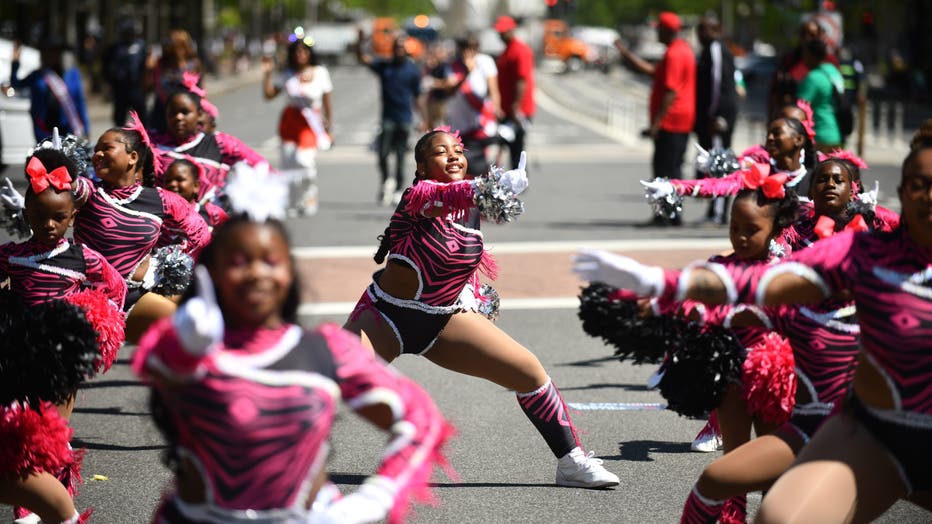
WASHINGTON, D.C., APRIL 14: The Limitless Dancing Warriorettes participate in the DC Emancipation Day Parade takes along Pennsylvania Avenue in Washington, D.C., April 14, 2024. A contingency of 51 youth volunteers symbolically represented the 50 sta
Big picture view:
While Juneteenth is now recognized as a federal holiday, D.C. Emancipation Day highlights an earlier moment in the timeline of emancipation in the United States.
It serves as both a celebration of freedom and a reminder of the long struggle for equality; one that began in places like Washington, D.C., before spreading nationwide.
What’s open on DC Emancipation Day
While many government offices are closed, essential services will remain available across the District.
Emergency shelters and homelessness services will continue operating, including 24-hour low-barrier shelters for men, women and LGBTQ+ individuals. The Downtown Day Services Center and several youth drop-in centers will also remain open with modified hours.
Mental health and crisis support services will still be available, including the 988 crisis hotline, the DC Stabilization Center and emergency psychiatric services.
Outdoor spaces such as parks, playgrounds and athletic fields will remain open. Select DC Public Library locations will also operate with limited hours.
What’s closed or affected
Several city services will be paused or adjusted for the holiday.
Trash, recycling and food waste collection will be suspended and pushed back a day for the rest of the week. Parking enforcement will also be suspended for the day.
Most government offices will be closed, including the DMV, DC Health offices, and Department of Human Services centers. Recreation centers, indoor pools and community centers will also be closed.
Construction work and lane reversals will be largely suspended, except for emergency or pre-approved activity.
For more details on service changes and what’s open or closed, residents can visit the District’s official announcement on the DC Emancipation Day website.
The Source: This article was written using information from the D.C. government and historical sources.