

Organizers raise concerns over potential gas-fired power plant at RFK Stadium site
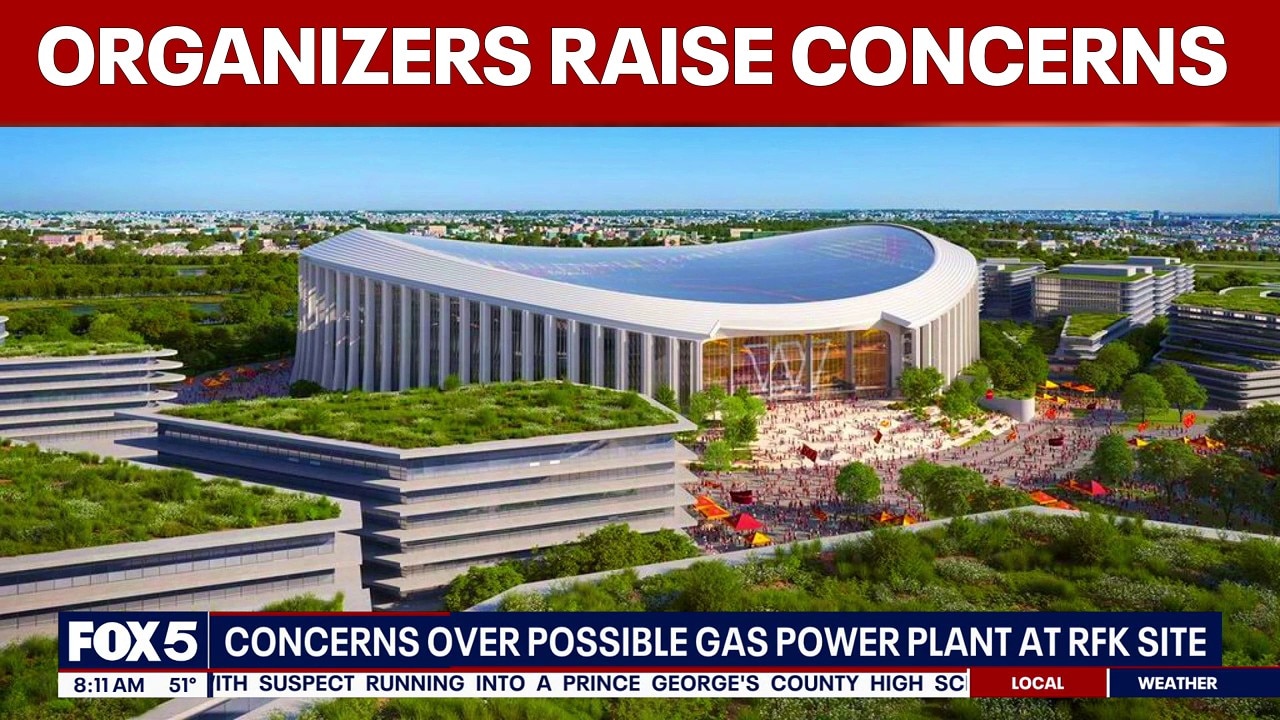
Organizers raise concerns over potential gas-fired power plant at RFK Stadium site
A coalition of community organizations is demanding that the Washington Commanders drop any potential plans to build a gas-fired power plant to support a new stadium at the RFK campus.
WASHINGTON - A coalition of community organizations is demanding that the Washington Commanders drop any potential plans to build a gas-fired power plant to support a new stadium at the RFK campus.
Groups including the Sierra Club and the Friends of Kingman Park Civic Association are speaking out against the potential facility, with some advocates calling the proposed plans worse than a data center.
Activists previously raised concerns during a September 30 D.C. Council hearing, urging lawmakers to amend the city's comprehensive plan to explicitly prohibit combustion fuels on the site.
The power concerns apply not only to the proposed stadium, but also to the 5,000 to 6,500 housing units planned for the RFK site. Activists say that a gas-fired plant would release toxins like nitrogen oxides and carbon monoxide, overly impacting Ward 7 residents who already face high rates of asthma and air pollution.
Opponents also argue the plant would violate District laws designed to meet clean energy goals. During the September 30 hearing, Barbara Briggs of Friends Meeting of Washington warned of the health risks from gas pollutants, noting that testing in local homes revealed nitrogen dioxide levels exceeding EPA standards within 30 minutes of gas stove use.
Advocates believe the Commanders can fulfill power needs while meeting District environmental standards by using sufficient solar and battery storage capacity. The coalition scheduled a news conference for 10:30 a.m. Wednesday at Triangle Park, adjacent to the RFK campus, to publicly outline its demands.
A Washington Commanders spokesperson released the following statement to FOX 5:
"From the beginning, we have been focused on making the new stadium as efficient and sustainable as possible while balancing the complex requirements of a substantial project of this scale. As we work toward opening in 2030, we remain committed to delivering on the commitments we set forth and aligning with the District’s broader environmental goals.
We’re continuing to integrate sustainable measures into the stadium’s design. The project will incorporate green technologies, environmentally responsible construction practices, expanded public open space and ecological recreational amenities, in addition to being one of the most transit-oriented stadiums in the NFL. The new stadium will also have innovative features, including the NFL’s first ice thermal energy storage system, the most on-building solar panel integration for any current NFL stadium, water reuse systems, and a roof designed to reduce energy demand compared to conventional domed venues. We continue to work with our partners to identify additional opportunities to make it as efficient as possible."
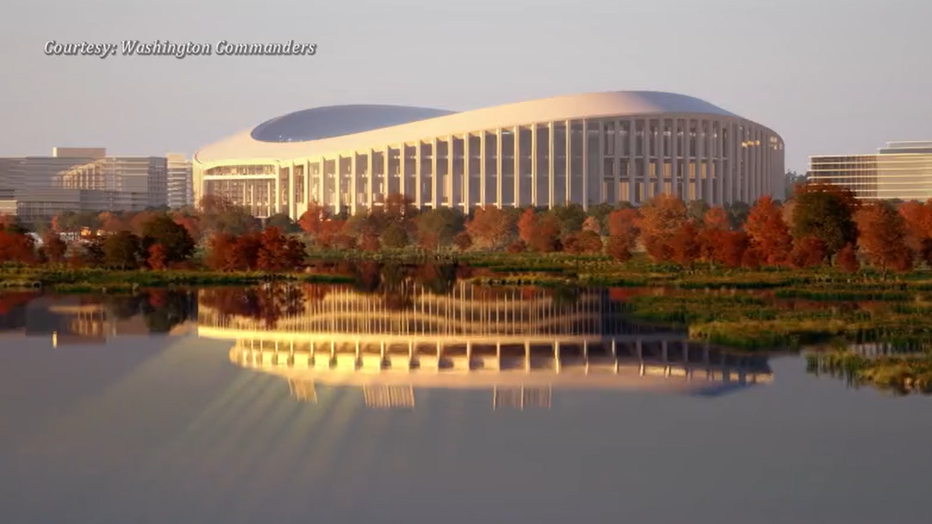
The Source: Information in this article comes from the D.C. Council, Sierra Club, Friends Meeting of Washington and Chesapeake Climate Action Network.