

Maryland says it hit nearly every Chesapeake Bay pollution target, turns to 2040
Chesapeake Bay rebounds as Maryland hits major pollution reduction goals
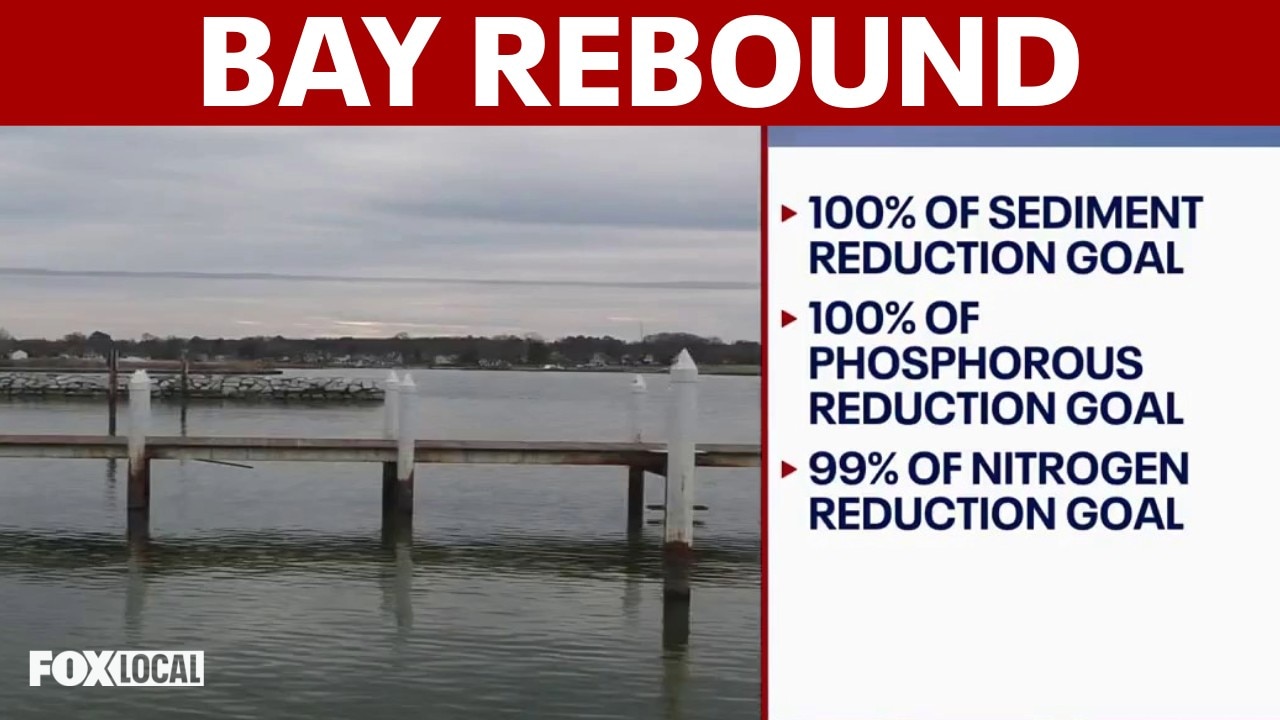
Maryland has met or nearly met several major Chesapeake Bay pollution reduction targets, according to Gov. Wes Moore. From 2009 to 2025, the state achieved 100% of its sediment and phosphorus reduction goals and 99% of its nitrogen goal. Maryland will continue working toward existing targets through 2030 before shifting to new goals for 2040.
MARYLAND - Maryland has met or surpassed nearly all of its pollution-reduction targets under the 2014 Chesapeake Bay Watershed Agreement, Gov. Wes Moore said Tuesday.
By the numbers:
The governor’s office said Maryland achieved the following pollution-reduction progress from 2009 through 2025:
- 100% of its sediment reduction goal
- 100% of its phosphorus reduction goal
- 99% of its nitrogen reduction goal
The targets were set under the 2014 Chesapeake Bay Watershed Agreement, which aimed to improve water quality across the watershed.
Why it matters
Moore said restoring the Chesapeake Bay is tied to Maryland’s environment and economy, including tourism, seafood and oyster-related industries.
The state also said it achieved goals related to tributary-scale oyster restoration, land conservation, fish passage and public access under the 2014 agreement.
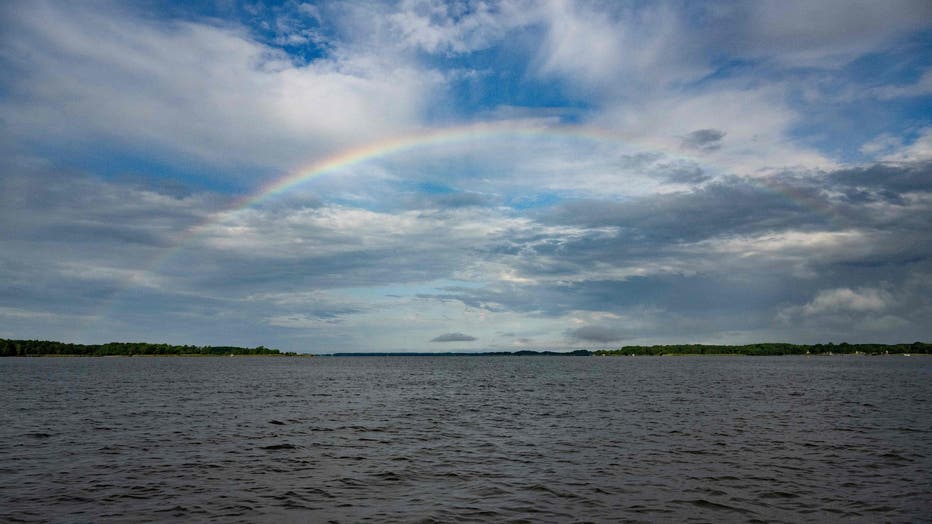
Chester River, a tributary of the Chesapeake Bay, in Crosby, Maryland, on July 21, 2023, after a rain storm. (Photo by Jim WATSON / AFP) (Photo by JIM WATSON/AFP via Getty Images)
What's next:
Bay watershed jurisdictions will continue working toward the 2025 pollutant-reduction goals through 2030, according to a spokesperson for the governor.
The jurisdictions are then set to work toward updated goals under the revised Chesapeake Bay Watershed Agreement, with most targets due by 2040.
Maryland Department of Natural Resources Secretary Josh Kurtz said the state’s next phase will focus on pollution that comes from sources such as stormwater runoff in developed areas and agricultural runoff.
"As we enter the next phase of Bay restoration, we are building off our success through targeted reductions of nonpoint pollution sources such as stormwater runoff from our developed areas and farms," Kurtz said.
The Source: This article was written using information from the Office of Gov. Wes Moore and the Maryland Department of Natural Resources.