

How much caffeine is too much for one day?
(Photo by Stephen Chernin/Getty Images)
PHILADELPHIA, Pa. - The Pumpkin Spice Latte recently returned to Starbucks menus for the 2025 fall season, as well as the diets of many coffee lovers across the nation. And before we fill up our cups with extra shots of espresso when the cold weather hits, it is important to remember how much caffeine is safe to consume in a day.
How much caffeine can I have in a day?
The U.S. Food and Drug Administration (FDA) is providing guidance on safe caffeine consumption, advising most healthy adults to limit their daily intake to 400 milligrams.
While this amount, roughly equivalent to two to three 12-fluid-ounce cups of coffee, is generally not associated with harmful effects, the agency cautions that individual sensitivity can vary widely.
The FDA's guidance emphasizes the need for awareness, especially regarding hidden sources of caffeine. In addition to common beverages like coffee and tea, caffeine can be found in surprising products, including certain dietary supplements, ice cream and over-the-counter medications. The agency also warns that even "decaffeinated" products contain small amounts of the stimulant, with decaf coffees and teas typically containing 2-to-15 milligrams per 8-ounces.
For children and teens, the FDA and the American Academy of Pediatrics advise avoiding energy drinks due to their high sugar and caffeine content. For younger individuals, excessive caffeine can lead to negative side effects such as an increased heart rate, jitters, and sleep disturbances.
The FDA also warns against pure and highly concentrated caffeine products, such as powdered or liquid forms, which can have toxic or even lethal effects. Symptoms of consuming too much caffeine include increased heart rate, jitters, and an upset stomach. The agency continues to monitor the marketplace to ensure the safe use of caffeine in regulated products.
Caffeine contents
One fluid ounce, or a single shot, of average espresso contains 64 milligrams of caffeine. Factors contributing to ranging caffeine levels include the type of bean used, roast level or type of brewing method.
A Starbucks tall (12-ounce) Pumpkin Spice Latte normally contains 75 milligrams of caffeine, while both the grande (16-ounce) and venti (20-ounce) sizes contain 150 milligrams, according to the Daily Meal. The PSL contains espresso in the ingredients.
Drinking coffee is a habit for many. Yet, an average cup of regular brewed coffee contains a significant amount of caffeine, ranging from 113 to 247 milligrams, according to the FDA. Other common caffeinated beverages include energy drinks with 41-to-246 milligrams, black tea with 71 milligrams, green tea with 37 milligrams, and caffeinated soft drinks with 23-to-83 milligrams.
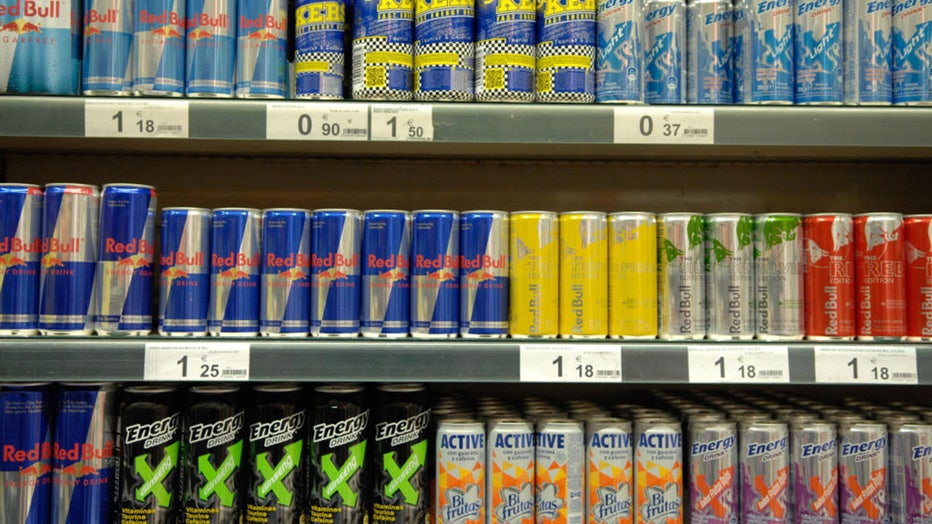
FILE - Energy drinks in a market.
Energy drinks
The FDA does not have a regulation specific to energy drinks, though they are generally known to have 54-to-328 milligrams of caffeine per 16 fluid ounces. Some brands may contain 41-to-246 milligrams per 12 fluid ounces.
Most energy drinks in the U.S. list the total caffeine content from all sources, including other ingredients like guarana, on the label.
Signs of caffeine overconsumption
The FDA also warns that too much caffeine can cause a variety of symptoms:
- increased heart rate
- heart palpitations
- high blood pressure
- insomnia or sleep disruptions
- anxiety
- jitters
- upset stomach
- nausea
- headache
FDA urges you to talk with your health care professional about your caffeine consumption if you have any of these symptoms.
The Source: This article uses information from government sources like the U.S. Food and Drug Administration, as well as reporting from respected food sites like Daily Meal and Starbucks.