

DC ranks in 'Top 10 worst mosquito cities' in the U.S., new list shows
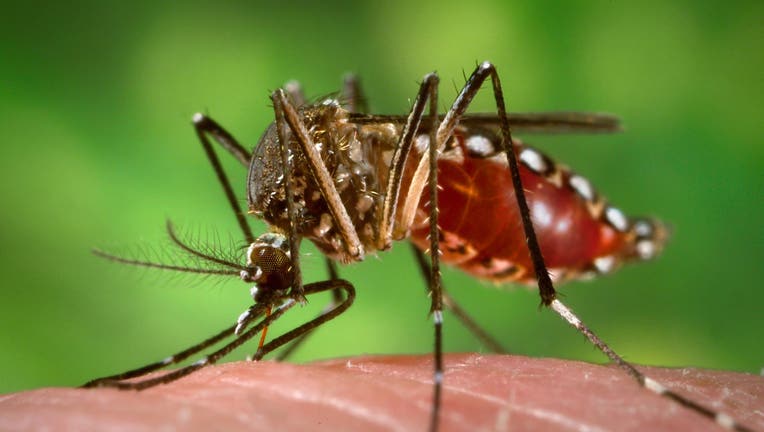
Female Aedes aegypti mosquito feeding on a human hand, engorged with blood, 2006. Image courtesy Centers for Disease Control (CDC) / James Gathany. (Photo by Smith Collection/Gado/Getty Images)
WASHINGTON, D.C. - Washington, D.C. ranks among the ‘Top 10 worst mosquito cities' in the U.S., according to a new national report.
What we know:
Washington, D.C. came in at No. 6 on Orkin’s 2026 Mosquito Cities List, climbing two spots from last year.
The annual ranking is based on the number of new residential mosquito treatments performed by Orkin between March 2025 and March 2026.
Los Angeles held the top spot for the sixth straight year, followed by Chicago and New York.
The data reflects where pest control demand is highest, often signaling increased mosquito activity in those areas.
Where your city ranks
Here are the top 20 cities on Orkin’s 2026 Mosquito Cities List:
- Los Angeles
- Chicago
- New York
- Detroit
- Atlanta
- Washington, D.C.
- Houston
- Dallas
- Cleveland
- Denver
- Raleigh, N.C.
- Charlotte, N.C.
- Minneapolis
- Philadelphia
- Indianapolis
- Tampa, Fla.
- Miami
- San Francisco
- Orlando, Fla.
- Columbus, Ohio
Big picture view:
Experts say mosquito activity is no longer concentrated in traditional hotspots and is expanding across the country.
"Over the past decade, we’ve seen mosquito activity expand beyond traditional hotspots and become a nationwide concern," said Shannon Sked, Orkin entomologist.
Environmental changes and the spread of mosquito species are contributing to new hotspots, including in parts of the Midwest and other regions.
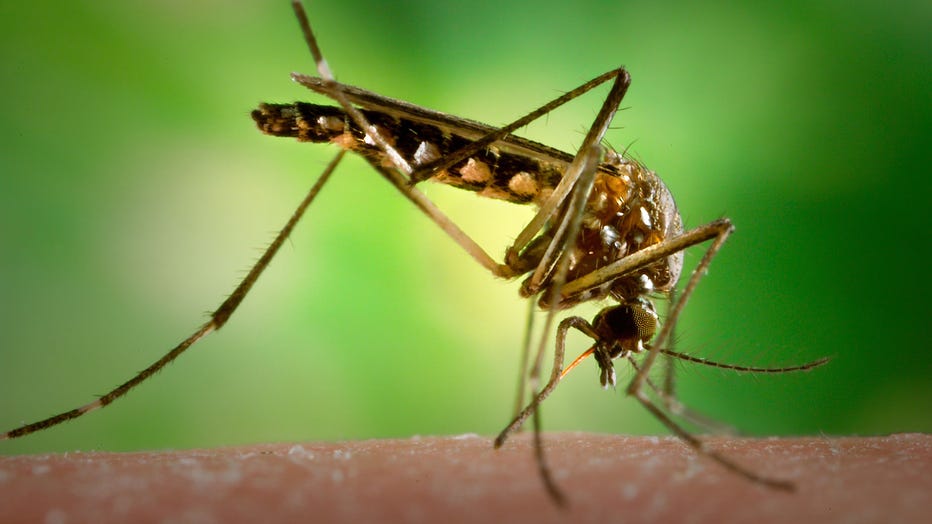
FILE - Female Aedes aegypti mosquito in the process of acquiring a blood meal from its human host, 2006. Image courtesy Centers for Disease Control (CDC) / James Gathany. (Photo by Smith Collection/Gado/Getty Images)
Why you should care:
Mosquitoes are considered the deadliest animal in the world, responsible for more than 600,000 malaria-related deaths each year.
In the U.S., they can spread diseases including West Nile virus, Eastern equine encephalitis and Zika.
Experts say regions like the D.C. area provide ideal breeding conditions due to heat, humidity and standing water.
What you can do:
To reduce mosquito exposure, Orkin recommends:
- Wearing long sleeves and using insect repellent
- Installing tight-fitting screens on windows and doors
- Trimming vegetation where mosquitoes rest
- Eliminating standing water around homes
What's next:
Mosquito activity is expected to increase as the summer season continues, making prevention efforts especially important in the coming months.
The Source: This article was written using information from an Orkin press release.