

CDC asking for employee volunteers to help with Ebola screenings
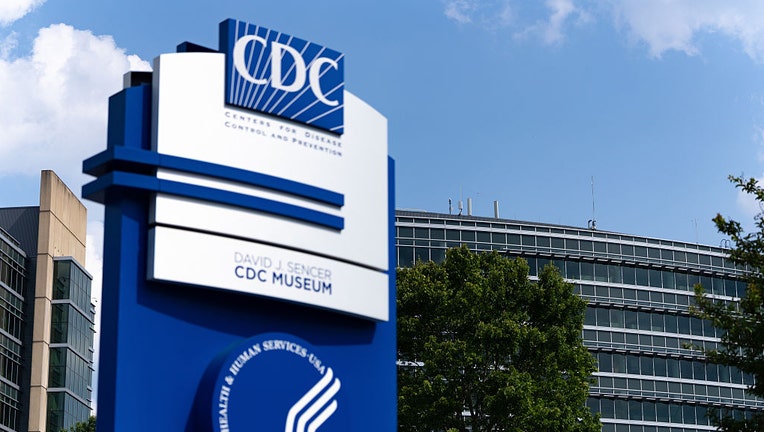
FILE-The Centers for Disease Control and Prevention (CDC) headquarters in Atlanta, Georgia, on Wednesday, June 25, 2025. (Ben Hendren/Bloomberg via Getty Images)
The Centers for Disease Control and Prevention is requesting staff to volunteer to support the agency’s effort with Ebola screenings at entry points in the U.S.
CDC Acting Director Jay Bhattacharya stated in an email obtained by Reuters that the federal health agency started a Level 2 emergency response on May 18 to an outbreak of the Bundibugyo strain of the Ebola virus in the Democratic Republic of the Congo and Uganda, and was extending its recruitment of emergency responders as screening of international arrivals to the U.S. mounts.
RELATED: How does Ebola spread? What to know as Congo outbreak worsens
Under a Level 2 emergency response, CDC experts call for a larger number of staff to assist with an emergency response, per the CDC website.
Volunteers assisting with Ebola screening may be tasked with assessing incoming travelers for illness, checking temperatures, and referring suspected disease cases for additional evaluation, Reuters reported, referencing the CDC email.
CDC officials told Reuters that heightened screening efforts are happening at several port health stations and will require more staffing. Public health advisers, emergency specialists, and licensed medical providers have been requested to help with the screenings.
What is Ebola?
Dig deeper:
Ebola is a severe, often deadly disease in humans and nonhuman primates (like monkeys, gorillas, and chimpanzees). According to the Centers for Disease Control and Prevention website, Ebola is found in several African countries.
In 1976, the first Ebola species was discovered near the Ebola River in what is now the Democratic Republic of the Congo. Since then, outbreaks have appeared irregularly in Africa.
The CDC noted that a person infected with Ebola is not contagious until symptoms appear. Signa and symptoms of the disease include the following:
• Fever
• Severe headache
• Muscle pain
• Vomiting
• Diarrhea
• Stomach pain
• Unexplained bleeding or bruising
Meanwhile, Ebola symptoms might appear anywhere between 2 and 21 days after exposure to the disease, but the average is 8 to 10 days.
The Source: Information for this story was provided by Reuters and the Centers for Disease Control and Prevention’s website. This story was reported from Washington, D.C.