

What is listeria? Symptoms, high-risk groups and food safety facts explained
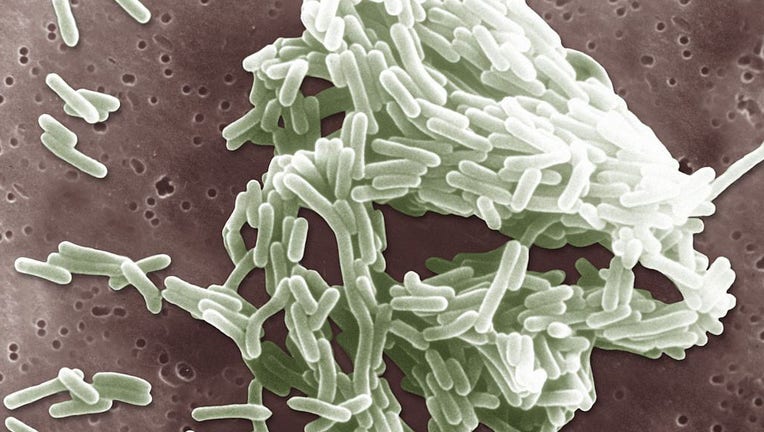
FILE - Listeria Monocytogenes. (Photo By BSIP/Universal Images Group via Getty Images)
NEW YORK - Food recalls involving listeria bacteria often leave consumers wondering about the health risks associated with contaminated products.
Listeria infection, or listeriosis, is an illness caused by consuming food contaminated with Listeria monocytogenes bacteria. While healthy individuals rarely become severely ill, the infection poses severe health risks to high-risk populations.
What happens during an infection
What we know:
Symptoms of a listeria infection vary depending on whether the bacteria remain in the digestive tract or spread to other parts of the body.
If the infection stays in the gut, mild symptoms usually appear within 24 hours of eating contaminated food and resolve within a few days:
- Loose stools or diarrhea
- Upset stomach
- Vomiting
When the bacteria spread beyond the gut into the bloodstream, brain, or spinal cord, more severe invasive symptoms can emerge. Invasive symptoms often appear within two weeks, but can take up to two months to show up:
- Fever and chills
- Muscle aches and fatigue
- Headaches, stiff neck, or loss of balance
- Confusion, changes in alertness, or seizures
Who is most at risk
Big picture view:
Most healthy adults suffer only mild, temporary stomach flu-like symptoms or show no symptoms at all. However, listeria poses dangerous risks to specific vulnerable groups:
- Pregnant women and newborns: Pregnant women are significantly more susceptible to listeria infection. While the pregnant person may only experience mild flu-like symptoms, the infection can pass to the fetus, leading to miscarriage, stillbirth, premature delivery, or life-threatening infections after birth.
- Adults aged 65 and older: Aging immune systems are less capable of fighting off invasive bacterial infections.
- People with weakened immune systems: Individuals undergoing chemotherapy, organ transplant recipients, people taking high-dose steroids, or those managing conditions like cancer, diabetes, kidney disease, liver disease, or HIV/AIDS face elevated risks.
In severe cases, systemic listeria infections can lead to sepsis (a severe inflammatory response in the bloodstream) or bacterial meningitis (an infection of the membranes surrounding the brain and spinal cord).
How listeria spreads and survives
Dig deeper:
Listeria bacteria naturally occur in soil, water, and animal waste. Humans contract the bacteria by eating contaminated food products. Common sources include:
- Unpasteurized milk, raw milk, and dairy products made from raw milk
- Soft cheeses (such as feta, brie, Camembert, queso fresco, and queso blanco)
- Cold-smoked seafood, refrigerated meat spreads, and deli products
- Processed deli meats, lunch meats, and hot dogs contaminated after processing
- Raw vegetables or unwashed produce contaminated by soil or manure
Unlike many other bacterial pathogens, listeria can survive and continue to multiply at normal refrigerator temperatures and survive freezing.
Prevention and safety tips
What you can do:
Health officials recommend general food safety precautions to prevent infection:
- Clean thoroughly: Wash hands with warm, soapy water for at least 20 seconds before and after handling food. Scrub raw fruits and vegetables with a brush under running water.
- Keep meat juices separate: Keep fluid from hot dog packages or raw meats away from other foods, utensils, and food preparation surfaces.
- Check temperatures: Keep refrigerators set to 40 degrees Fahrenheit or below, and freezers at 0 degrees Fahrenheit or lower. Use a food thermometer to cook meats to safe internal temperatures.
- Reheat deli foods: Individuals in high-risk categories should avoid deli meats, lunch meats, and hot dogs unless they are reheated until steaming hot.
Anyone who consumes a product subject to a recall or suspects they have eaten contaminated food should monitor for symptoms and consult a healthcare professional. Emergency medical care should be sought immediately if symptoms such as a high fever, severe headache, stiff neck, or confusion occur.
The Source: This article was written using health information from Mayo Clinic.