

Study finds 21% of poverty linked to high housing costs in Maryland
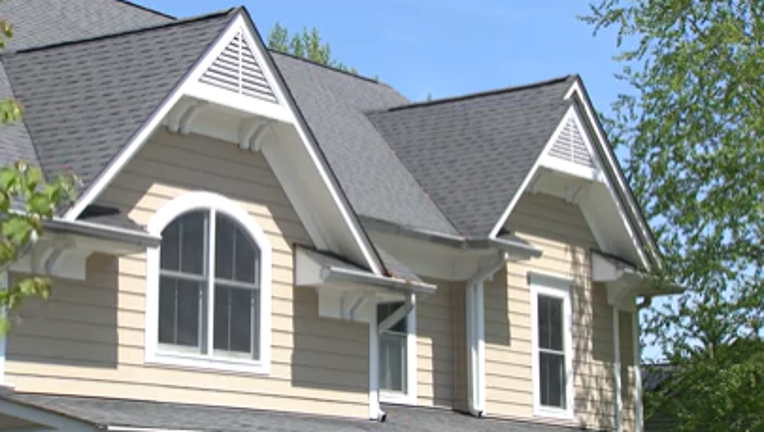
A home in Montgomery County, Maryland.
BETHESDA, Md. - Above-average housing costs in Maryland account for 21% of measured poverty in the state, according to a Pew report.
What we know:
The "Housing Policy and Poverty Across the United States" study looked at Washington, D.C., and 10 states that experienced the largest housing-cost adjustment to the Supplemental Poverty Measure (SPM) threshold. The states include Hawaii, California, New Jersey, Massachusetts, Colorado, Maryland, Connecticut, New York, New Hampshire and Washington.
According to the report, reduced housing costs in these states would reduce poverty to a level comparable to major federal income transfer programs.
Proximity to D.C. raises costs
Between 2022 and 2023, Maryland’s SPM poverty rate was at 11.1%, slightly below the national average of 12.6%, according to the report. However, about 21% of that poverty stems from housing expenses rather than low income levels alone. This represents the seventh-largest share among all 50 states and D.C.
The report highlights how income growth has outpaced rent increases in Maryland. The Real Fair Market Rents in the state grew 34% between 1985 and 2023, which, according to the report, is modest compared to national standards. During that same time period, real 10th percentile incomes rose 63%, the 11th-fastest growth rate in the nation.
Median incomes also outpaced rents, growing by 43%, according to the report.
Despite those economic gains, Maryland’s overall poverty threshold rose, boosted by the state’s proximity to the D.C. metropolitan area, where housing expenses are among the highest in the country, the report states.
Dig deeper:
The report goes on to highlight how elevated housing costs impact federal assistance programs. Between 1989 and 2023, Supplemental Nutrition Assistance Program (SNAP) allocations to Maryland increased by $1.4 billion. During that same timeframe, housing-cost-driven increases to the state’s poverty threshold raised the total amount needed for Marylanders to escape poverty by $0.7 billion.
Nearly 50% of Maryland’s SNAP gains were absorbed by the increase in housing costs, according to the report.
Potential solutions
The report also found that lowering rent by 20% would reduce state poverty rates.
A 20% rent decrease would reduce the average Maryland poverty threshold by $3,735 for all individuals and $4,510 for families with children. The state's overall poverty rate would decrease from 11.1% to 8.4%. The child poverty rate would also fall from 12.9% to 9.8%, the report found.
The Source: Information in this article is from the "Housing Policy and Poverty Across the United States" report by The Pew Charitable Trusts.