

IRS 2026 tax scam alert: How to avoid the Dirty Dozen fraud schemes this filing season
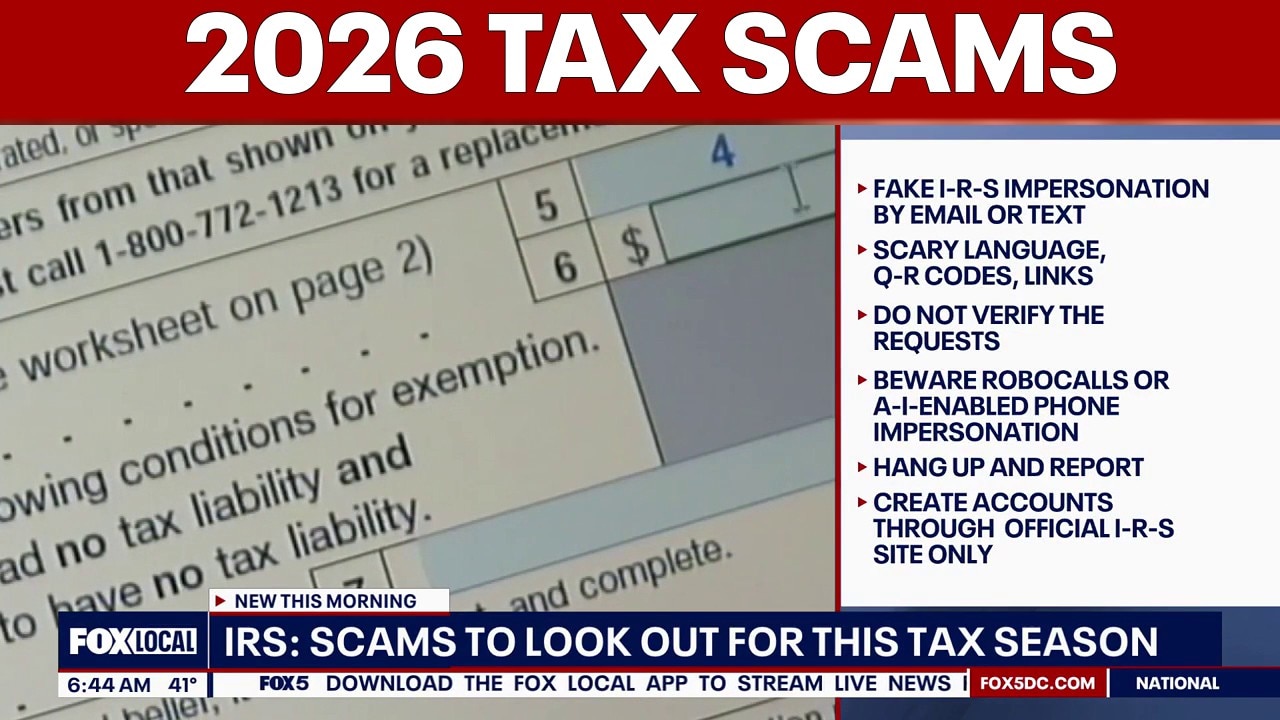
IRS 2026 tax scams: How to avoid the Dirty Dozen fraud schemes
The Internal Revenue Service has released its annual list of tax schemes to watch for in 2026, warning taxpayers, businesses and tax professionals about the most common and damaging threats circulating this filing season.
WASHINGTON - The Internal Revenue Service has released its annual list of tax schemes to watch for in 2026, warning taxpayers, businesses and tax professionals about the most common and damaging threats circulating this filing season.
The twelve schemes, known as the Dirty Dozen, highlight the tactics criminals use to steal money, personal information and financial data.
Here are the 12 key scams to watch for:
Email & Text Impersonation Scams (Phishing + Smishing)
Scammers posing as the IRS through emails, texts and social media messages that use alarming language and QR codes to lure taxpayers to fake websites, where victims are asked to "verify" accounts, provide personal information or claim bogus refunds.
AI Driven Phone Impersonation Scams (Robocalls, Voice Mimicry, Spoofed Caller ID)
Sophisticated phone scams that use artificial intelligence to mimic human voices, generate prerecorded messages and spoof caller ID to appear legitimate.
Fake Charities Scams
Scammers are increasingly creating fake charities to benefit from disasters, crises and other high‑profile events, using them to solicit donations and collect personal information.
Social Media Tax Misinformation Scams
Misleading "tax hacks" circulating on social media that push people to file returns with false information or claim credits they are not eligible for. Officials say these schemes can lead to delayed refunds, audits and financial penalties.
Identity‑Theft Attempt Scams
Identity‑theft schemes in which criminals use stolen personal information to break into a taxpayer’s IRS Online Account or pose as helpers during the setup process.
Abusive Undistributed Long‑Term Capital Gains Credit Schemes
The IRS is warning taxpayers about a growing wave of abusive claims involving Form 2439, which allows shareholders of certain investment funds and real estate trusts to claim a refundable credit for taxes paid on undistributed long‑term capital gains.
Bogus Self‑Employment Tax Credit Scheme
A growing scam that falsely claims that a broad "self‑employment tax credit" can generate large refunds. These schemes encourage people to claim credits they do not qualify for, often by misrepresenting eligibility rules or inventing benefits that do not exist.
Unregistered Ghost Return Preparer Scams
"Ghost" preparers are individuals who complete tax returns for a fee but refuse to sign them or provide a required Preparer Tax Identification Number.
Inflated Non‑Cash Charitable Deduction Scams
Abusive schemes that rely on inflated appraisals of donated property, including syndicated conservation easements and artwork, to generate outsized tax deductions.
Fabricated Wage & Withholding Claim Scams
Refund schemes that rely on inflated or fabricated withholding amounts, often reported as "other withholding," to generate large, improper refunds.
Spear‑Phishing Attacks & Malware "New Client" Email Scams
Ongoing spear‑phishing campaigns that use "new client" inquiries or fake document request emails to deliver malicious links or attachments.
Offer In Compromise Marketing Scams
The IRS is warning taxpayers about "Offer in Compromise mills," companies that aggressively market debt‑relief services by promising results they cannot deliver.

AI-driven tax scams rising
McAfee CTO Steve Grobman joined the DMV Zone to talk about the rise of tax scams, and how Gen Z is the top target.
Avoiding Tax Scams:
- Avoid clicking unexpected links or opening attachments from any unsolicited message.
- Hang up immediately if you receive a suspicious IRS‑related call.
- Forward suspected phishing emails or messages to phishing@irs.gov.
- If you believe your tax identity has been compromised, visit IRS.gov/idtheft for steps to secure your account and begin recovery.
Report Abusive Tax Schemes & Suspicious Activity:
- Report suspected tax fraud, scams, identity theft or other tax‑related wrongdoing at IRS.gov/SubmitATip.
- Use the IRS’s new confidential online tool on any smartphone, tablet or computer; it consolidates fraud‑reporting options and routes tips to the proper office.
- Prompt reporting helps protect taxpayers and stop abusive activity quickly.
- The IRS urges taxpayers to stay alert year‑round, noting that criminals continually look for new ways to steal money, personal information and sensitive data.
More information about the 2026 IRS Dirty Dozen tax scams can be found online.
The Source: Information in this article comes from the Internal Revenue Service.