

Hantavirus outbreak: 2 patients being monitored at Emory Hospital in Atlanta
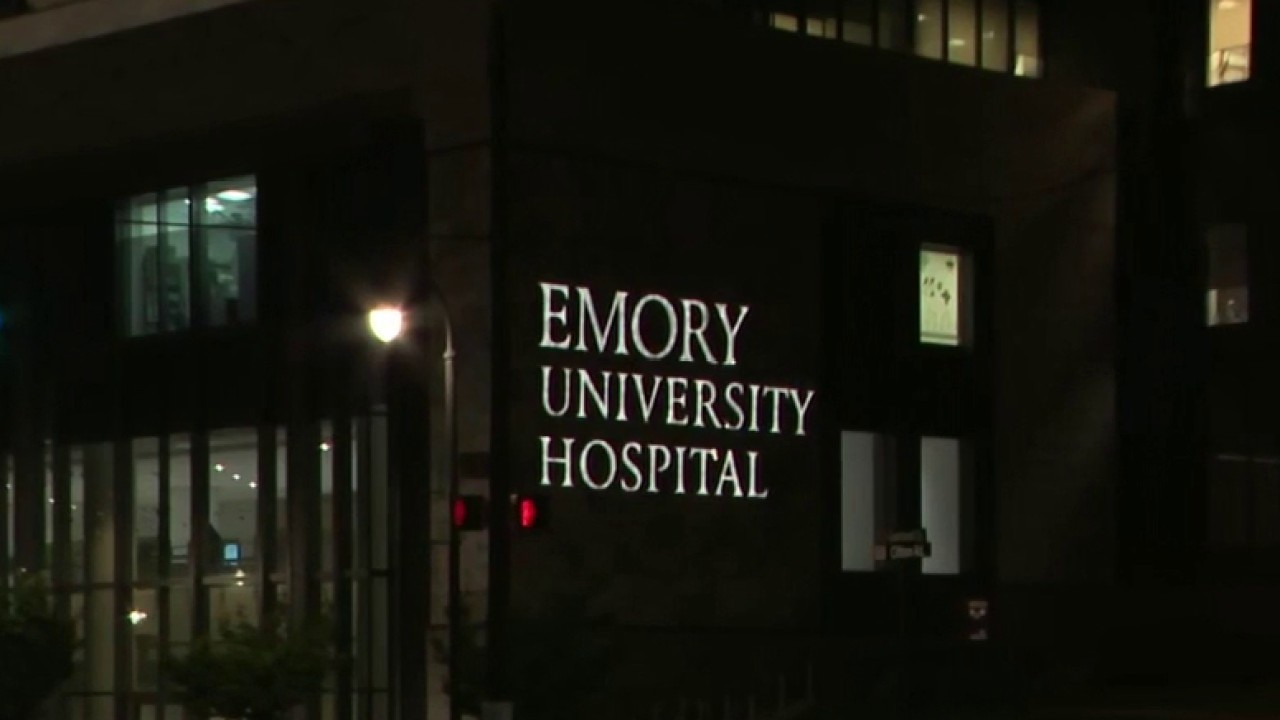
Emory Hospital monitors 2 linked to hantavirus outbreak
Two people who were onboard a cruise ship that experienced a deadly hantavirus outbreak are being monitored at Emory Hospital in Atlanta. Here's the latest.
ATLANTA - Passengers from the M/V Hondius cruise ship are continuing to make their way home following a deadly hantavirus outbreak tied to the vessel, with several travelers connected to Georgia now under medical monitoring.
PREVIOUS STORY: 17 Americans on cruise ship struck by hantavirus return to U.S.
Georgia connections to Hantavirus cruise ship
What we know:
The Georgia Department of Public Health previously confirmed that two Georgia residents who were aboard the cruise ship have already returned to the state. Health officials said both individuals are asymptomatic and are following guidance from the Centers for Disease Control and Prevention.
PREVIOUS STORY: 2 Georgians under monitoring after deadly ship outbreak
2 new patients arrive in Atlanta
What we know:
Two additional passengers who are being monitored for hantavirus arrived at approximately 9 a.m. Monday morning at Hartsfield-Jackson Atlanta International Airport aboard a special flight from Omaha, Nebraska.
SKYFOX flew near the airport and was able to observe two people being assisted from the airplane to ambulances from Grady University Hospital waiting below.
The patients were transported to Emory University Hospital on Clifton Road. The SKYFOX crew flew overhead as the patients were unloaded from the hospital and taken inside.
RELATED: What is hantavirus and why were patients brought to Emory Hospital?
Nebraska health officials confirmed during an early-morning news conference that two people from the cruise were being transported to Atlanta.
The Georgia Department of Public Health also confirmed that two patients were sent to Emory to be treated at their Serious Communicable Diseases Unit.
Georgia's DPH also said that federal healthcare workers are taking every precaution needed in each of these cases and there is no danger to the public at this time. They said they are in active communication with the Centers for Disease Control and Prevention, which is located next to Emory University Hospital, and will continue to do so as needed.
Emory University Hospital later sent the following statement:
Working in coordination with local, state and federal partners, Emory University Hospital’s Serious Communicable Diseases Unit has received two passengers from the MV Hondius cruise ship following a hantavirus outbreak onboard.
One symptomatic individual is receiving care in Emory’s biocontainment unit, and one asymptomatic individual—identified as a close contact—is undergoing evaluation and monitoring.
Emory University Hospital is part of the Regional Emerging Special Pathogen Treatment Center network within the federally supported National Special Pathogen System, which provides specialized capabilities for safely managing high-consequence infectious diseases."
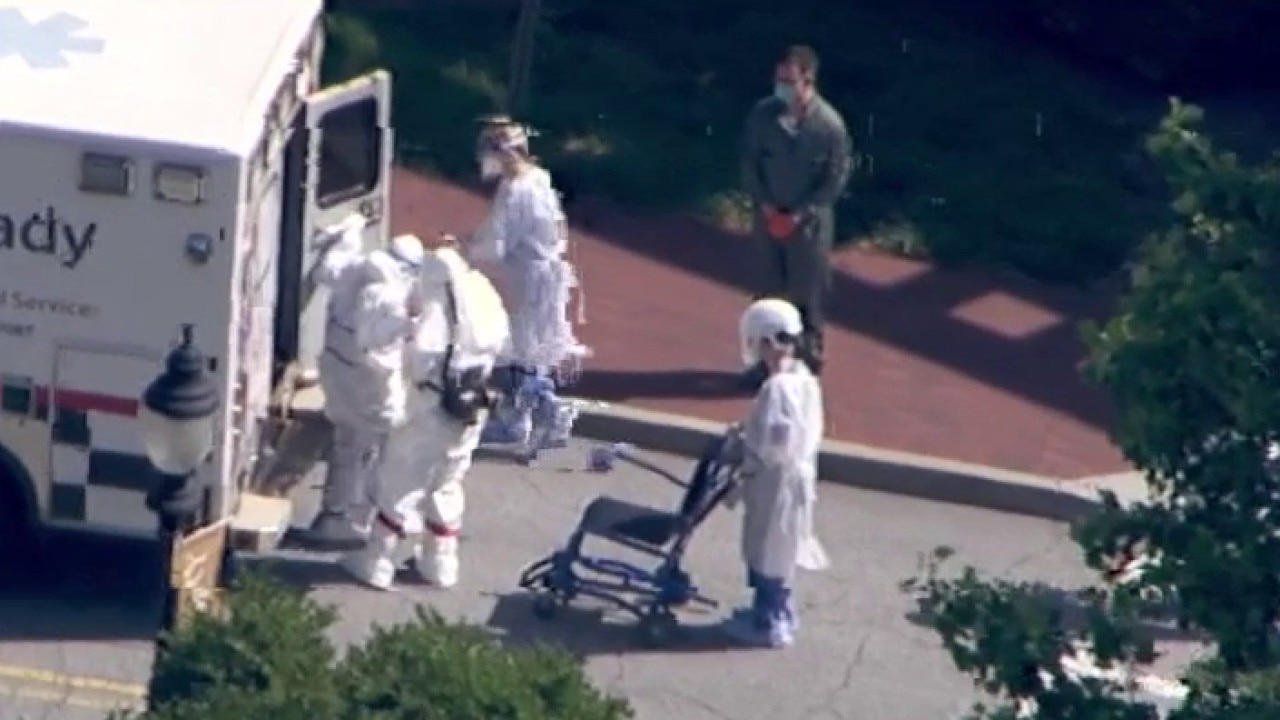
Hantavirus: 2 patients arrive in Atlanta, 15 in Nebraska
High-stakes medical protocols are in effect Monday as the domestic phase of the MV Hondius hantavirus outbreak begins. While two passengers have landed in Georgia, Emory University Hospital—one of the nation’s premier centers for infectious disease—is on high alert as potential patients are transported for specialized care.
Dig deeper:
Dr. Aneesh Mehta, an infectious disease physician at Emory, said at a Monday evening conference that the hospital team began preparing as soon as they learned that a confirmed Andes virus infection had been reported on the ship, as the hospital contains one of 13 specialized units across the country designed to treat such cases. The transfer of both individuals into the specialized unit was described as "easy and expected" without any problems.
David Fitter, a CDC physician and incident manager, said the response involved coordination between the Department of State, DHS, and local health authorities. Fitter reiterated that the safety of American communities is the primary focus and that the activated system worked quickly and responsibly.
The Andes virus strain is a known pathogen but is difficult to spread. Fitter explained that transmission requires close contact with bodily secretions or sharing intimate items like toothbrushes. This differs from a typical respiratory virus, as it primarily transmits when an individual is showing symptoms.
While the two discussed patients are being monitored, other passengers remained asymptomatic. Those on the ship were asked to stay in their rooms before disembarking in the Canary Islands to board a flight to the U.S.
Patients were brought back to the U.S. for testing because hantavirus symptoms are very broad and can mirror the common cold. Fitter noted that the current period is an assessment phase to understand exactly how the individuals are doing.
To protect privacy, Emory officials will not discuss specific patient details. However, the medical team expressed high confidence in their ability to care for the individuals and maintain community safety.
The U.S. has remained in constant contact with the World Health Organization (WHO) and other countries involved in the outbreak. This international communication is part of an effort to effectively coordinate the approach to the pathogen, according to Fitter.
"To the American public, we want you to know that we are here to protect your health and to ensure American communities remain healthy and safe. I do want to reiterate this point, the system worked. We have prepared for this, and we activated the system, and we did it quickly. Responsibly and successfully," Fitter said.
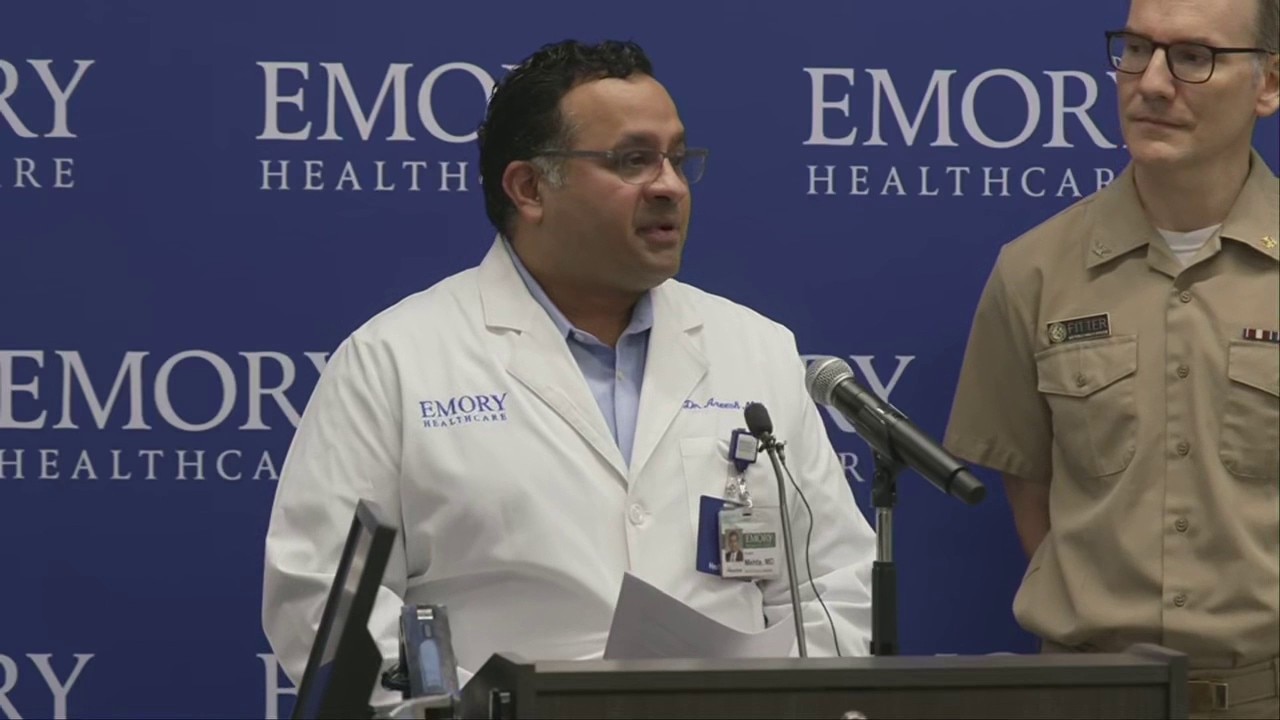
Emory officials give update on hantavirus patients
Emory Healthcare officials provided an update on Monday regarding the two hantavirus patients being treated at the hospital's Serious Communicable Diseases Unit.
More than a dozen Americans on the ship
The backstory:
The outbreak aboard the M/V Hondius has drawn international attention after multiple passengers became ill. Health officials say the outbreak is linked to the Andes strain of hantavirus, which can spread person-to-person in rare cases.
Federal health officials said more than a dozen Americans were flown overnight to a national quarantine unit in Omaha. At least one passenger reportedly developed mild symptoms during the trip, while another tested mildly positive for the virus.
The outbreak has been tied to a birdwatching excursion in Argentina before the cruise departed.
What they're saying:
The World Health Organization is recommending 42 days of active monitoring for passengers returning to their home countries. Health officials continue to stress that the risk to the general public remains low.
What we don't know:
Authorities have not released additional details about the two patients arriving in Georgia.