

Some FIFA World Cup fans using DNA ancestry results to find teams to support
Photos by Getty Images.
NEW YORK - For some American fans, choosing a World Cup team is not just about favorites, stars or betting odds. It can also come down to family roots.
What we know:
As the World Cup approaches, some U.S. fans may be looking for a team to support beyond the United States.
For many, that choice can be personal. Family background, ancestry and heritage can all shape which national team feels meaningful.
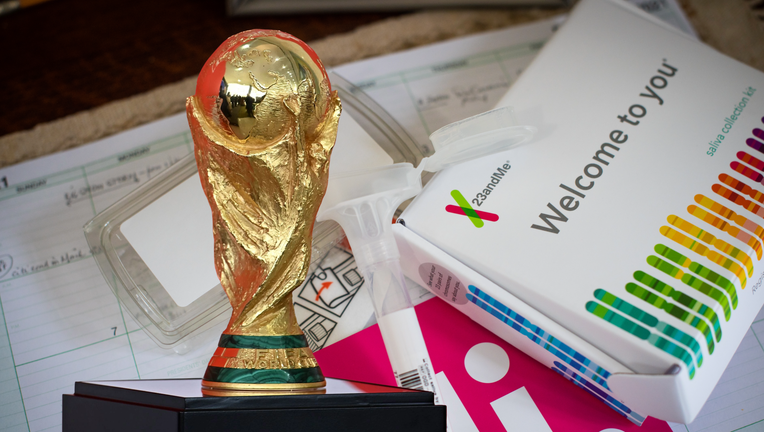
That idea has been used before in World Cup marketing. In 2018, 23andMe created a "Root for Your Roots" feature that let customers see which World Cup countries they had the strongest DNA connections to. The campaign came during a tournament in which the U.S. men’s national team did not qualify.
FOX Sports and 23andMe also teamed up on a 2018 World Cup campaign using that same concept. A Shorty Awards case study described the partnership as a way for fans to align with a team through DNA ancestry kits.
Why fans do it
For American fans, the World Cup can be different from other sports events.
The U.S. is one team, but many fans also have family ties to other countries. That can make rooting interest feel less random, especially for people whose parents, grandparents or relatives came from a country in the tournament.
Current fan research also supports the broader idea. For Soccer’s 2025 U.S. fan report said many U.S. soccer fans follow teams beyond the U.S., including Mexico, Brazil and Argentina, with those choices driven by factors such as heritage, player admiration and style of play.
The 2018 "Root for Your Roots" campaign
The clearest example came during the 2018 FIFA World Cup.
After the U.S. men missed the tournament, 23andMe and FOX Sports leaned into a "Plan B" for American fans: use ancestry to find another team to support.
The campaign encouraged fans to look at their genetic connections to countries playing in the tournament. FOX Sports also promoted the idea through on-air and social segments, with station talent revealing test results and team connections.
It worked as a simple fan question: If your own country is not playing, who do you root for?
What we don't know:
There is evidence that companies and broadcasters believed ancestry was a strong enough World Cup connection to build a campaign around it.
But there is not clear public evidence showing that DNA test sales or ancestry-related searches sharply increased during the World Cup.
Google Trends can show relative search interest over time, but Google says Trends data is normalized and does not represent raw search volume. That means it can help show whether interest rose, but not exactly how many people searched or bought a DNA test.
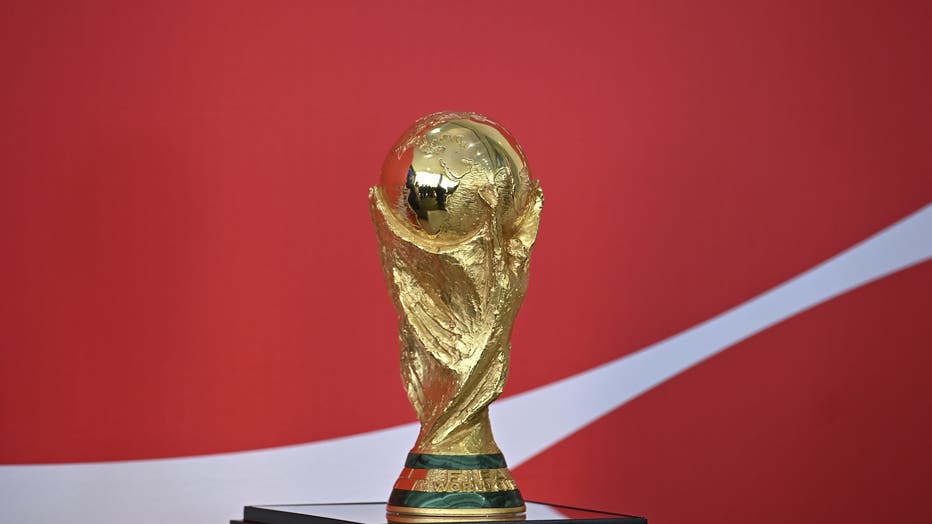
BRASILIA, BRAZIL - FEBRUARY 26: View of the World Cup trophy, as part of the FIFA Trophy Tour at Planalto Palace on February 26, 2026 in Brasilia, Brazil. The tour makes 75 stops in over 150 day and after stopping in São Paulo and Rio de Janeiro, it
Big picture view:
For casual fans, ancestry can make the World Cup feel more personal.
Someone who learns they have Scottish, Italian, Nigerian, Colombian or Japanese roots may suddenly have a reason to watch a match they otherwise would have skipped.
That does not mean every fan chooses a team this way. Some follow star players, favorite clubs, underdogs, style of play or teams they watched growing up.
But because the U.S. is home to so many cultures, family histories and immigrant backgrounds, rooting for another World Cup team alongside the U.S. can be a fun way for fans to connect with their heritage.
For many Americans, the World Cup can turn family history into fandom.
What's next:
As the 2026 World Cup comes to North America, expect brands, broadcasters and fans to keep leaning into personal connections to the tournament.
For some viewers, the question may not be only who is favored to win.
It may be: Who feels like mine?
The Source: This article was written using information from 23andMe, the Shorty Awards, For Soccer and Google.